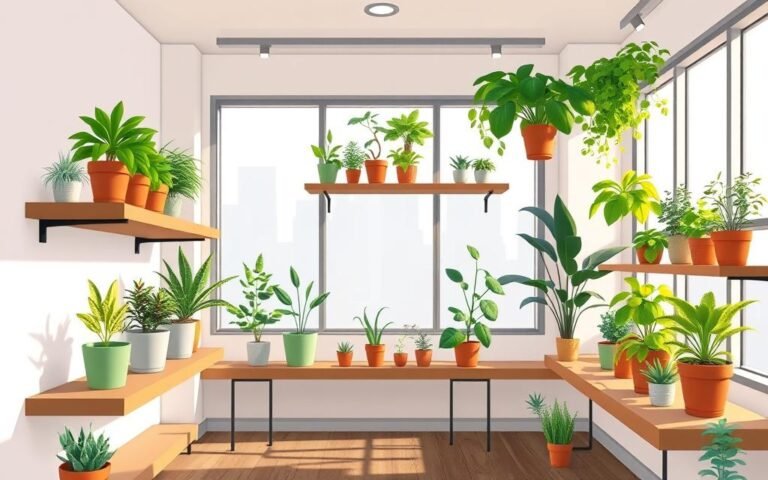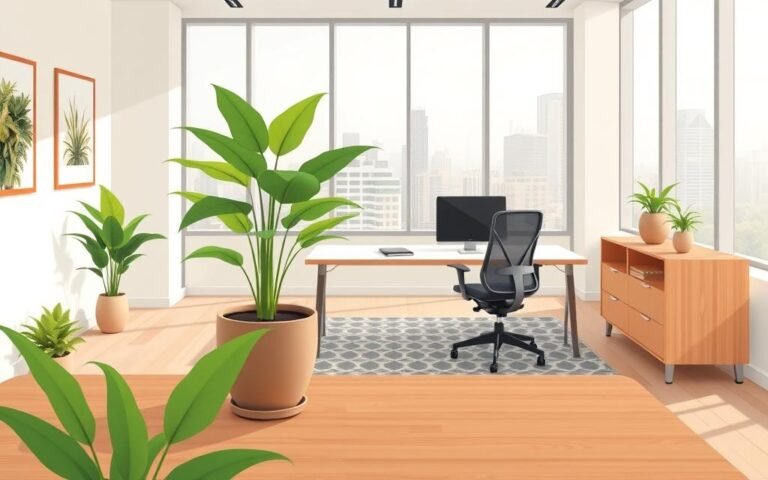
It’s now easier to make your home greener. As we head into 2025, more people want eco-friendly home designs. They’re adding indoor plants to their homes for sustainable living Australia.
This change makes our homes look better and breathe cleaner. It’s a step towards a healthier home. Eco-aware Australians are blending nature with modern living.
Key Takeaways
- Adopting eco-friendly home designs can significantly improve indoor air quality.
- Biophilic design integrates indoor plants into daily life, promoting sustainable living.
- Smart indoor greenery solutions are revolutionising the way we interact with nature at home.
- Sustainable living in Australia is becoming increasingly popular among eco-conscious individuals.
- Incorporating indoor plants into your living space can boost your wellbeing.
The Benefits of Indoor Plants in Australian Homes
Australians are getting more into indoor plants. They’re not just for looks; they help our health and wellbeing.
Health and Wellbeing Advantages
Indoor plants are good for us. They clean the air and make us feel better mentally.
Air Purification Benefits
Some plants, like Spider Plants and Peace Lilies, clean the air. They take out bad stuff and give us oxygen.
| Plant | Air Purification Benefit |
|---|---|
| Spider Plant | Removes formaldehyde and xylene |
| Peace Lily | Removes ammonia, benzene, and trichloroethylene |
Mental Health Improvements
Plants also help our minds. Studies say they can lower stress and make us happier.
“Being around plants makes people feel more comfortable and relaxed. It’s a natural way to reduce stress and improve mental wellbeing.”
By adding plants to our homes, we get these benefits. It makes our living space healthier and more sustainable.
Smart Solutions for Indoor Greenery: Technology Meets Nature
Indoor plants are getting smarter, thanks to technology. This makes caring for them easier for Australians. Smart home tech has brought new ways to care for indoor plants.
Automated Watering and Monitoring Systems
Automated watering systems are changing the game for indoor plants. They use smart sensors to check soil moisture. This ensures plants get the right water at the right time.
Smart Sensors and Apps for Plant Care
Smart sensors and apps are popular among plant lovers in Australia. They let users check on their plants from anywhere. Apps can track temperature, humidity, and light, giving care tips.
Space-Saving Innovation for Urban Dwellings
In cities, space is limited. Vertical gardens and wall systems are great for saving space. They bring greenery to small urban areas.
Vertical Gardens and Wall Systems
Vertical gardens and wall systems are not just space-saving. They also look great. You can customize them to fit any space and use many plant types.
| Feature | Vertical Gardens | Traditional Planters |
|---|---|---|
| Space Efficiency | High | Low |
| Customization | High | Medium |
| Aesthetic Appeal | High | Medium |
Smart Lighting Solutions for Plant Growth
Smart lighting, like LED growth lights, is changing indoor plant care. These lights give plants the right light for growth, even without natural light.
Energy-Efficient LED Growth Lights
LED growth lights save energy and last long. They can be set to match the light needs of different plants. This helps plants grow better and stay healthy.
Water-Conscious Indoor Plants for Australia’s Climate
Australia’s climate needs careful thought for indoor plants. It’s important to pick plants that are both lovely and tough. This is because the country often has dry and harsh weather.
Drought-Tolerant Native Australian Species
Native Australian plants are made for the country’s weather. They need less water. Here are some great picks:
- Kangaroo Paw: It has bright flowers and doesn’t need much water.
- Sturt’s Desert Rose: This plant is beautiful and uses very little water.
Indoor-Friendly Native Options
For homes, think about native plants like the Native Violet or Common Boobialla. They use less water and bring a bit of Australia into your home.
Low-Maintenance Succulents and Air Plants
Succulents and air plants are great for indoor spaces in Australia. They need very little water. Here are some favorites:
- Aloe Vera: It’s good for healing and uses very little water.
- Echeveria: This succulent is stylish and easy to care for indoors.
- Tillandsia: An air plant that doesn’t need soil and only needs a little water.
Best Varieties for Australian Conditions
For Australia’s weather, pick succulents and air plants that are tough. Agave and Euphorbia are great. They are both beautiful and strong.
Choosing water-saving indoor plants lets Australians enjoy greenery without wasting water. Whether you choose native plants or succulents, there are many beautiful and strong options.
Sustainable Practices for the Eco-Conscious Plant Enthusiast
In Australia, more people are choosing indoor plants. It’s important to use sustainable practices to help the environment. This means making smart choices about what we use in our gardens.
Organic and Locally-Sourced Growing Media
Choosing organic and local growing media is key. Australian-made soil alternatives are popular. They help reduce carbon emissions and support local businesses.
Australian-Made Soil Alternatives
These options are good for the planet and fit our climate. Some companies make soil from recycled materials. This cuts down on waste and avoids peat moss.
Upcycled and Biodegradable Planter Options
Using upcycled and biodegradable planters is smart. Creative repurposing ideas turn old items into planters. This reduces waste and makes spaces unique.
Creative Repurposing Ideas
Old boots, wooden crates, and plastic containers make great planters. It’s a way to reuse and add a personal touch. For more ideas, check out Indoor Garden Essentials.
Natural Pest Management for Indoor Plants
Controlling pests naturally is vital. Australian-friendly biological controls keep plants healthy without harming the planet.
Australian-Friendly Biological Controls
Using controls native to Australia is best. Ladybugs and lacewings are good at fighting pests.
| Sustainable Practice | Benefits |
|---|---|
| Organic Growing Media | Reduces chemical use, supports local businesses |
| Upcycled Planters | Reduces waste, adds uniqueness to indoor spaces |
| Natural Pest Management | Environmentally friendly, maintains ecological balance |
“Sustainability is no longer a trend, but a necessity in our daily lives, including how we care for our indoor plants.”
Conclusion: Creating Your Sustainable Indoor Oasis
Australians are now focusing on making their homes eco-friendly. They want to create a sustainable indoor oasis. This is done by using smart greenery solutions.
Indoor plants help clean the air and save energy. This makes our homes better for the planet and our health. Choosing easy-to-care plants and using green tech helps a lot.
Want to make your home greener? Check out this resource. It has tips for a thriving, eco-friendly garden that makes your home look great and helps the planet.