Gardening in Australia is rewarding but needs careful plant care. Eco-friendly planters are popular for their ease and sustainable design.
PlanterLife shows self-watering planters are great for busy people. They save water and need less watering, perfect for Australia’s weather.
Key Takeaways
- Eco-friendly planters simplify plant care for Australian gardeners.
- Self-watering designs conserve water and reduce maintenance.
- Sustainable gardening practices are on the rise in Australia.
- These planters are perfect for busy professionals and city dwellers.
- Water conservation is a key benefit of using self-watering planters.
The Growing Popularity of Self-Watering Planters in Australia
Self-watering planters are becoming more popular in Australia. They make caring for plants easier and help save water. PlanterLife says these planters are great for gardeners who are away.
The Challenge of Plant Care in Australia’s Diverse Climate
Australia’s climate changes a lot in different places. This makes it hard for gardeners. Self-watering planters help solve this problem. They make sure plants get the right water.
The good things about them are:
- Less need to water
- Healthier plants
- More freedom for gardeners
Water Conservation in the World’s Driest Inhabited Continent
Australia is the driest inhabited continent. Saving water is very important here. Self-watering planters help by using less water. WaterUps says saving water in gardening is key.
Using self-watering planters helps Australian gardeners garden better. They make caring for plants easier and help save water.
Understanding Self-Watering Sustainable Planters
Water conservation is key in Australia, and self-watering planters help a lot. They use water wisely, so you don’t have to water plants as often. This cuts down on waste.
What Makes a Planter “Self-Watering”
Self-watering planters have a special water tank inside. This self-watering mechanism keeps the soil just right for plants. It helps them grow strong and healthy.
The Sustainability Factor: Eco-Friendly Materials and Design
These planters are made from eco-friendly materials like recycled plastics. For example, WaterUps planters use 100% recycled stuff. This shows they care about the planet.
Water Efficiency Benefits During Australian Droughts
Self-watering planters are great during droughts because they save water. They store water and give it to the roots, not letting it evaporate or run off. This is super helpful in Australia, where water is precious.
In short, self-watering planters are a smart choice for gardeners in Australia. They use water well and are good for the environment. This helps plants grow strong, even when it’s hard.
How Self-Watering Planters Work
Self-watering planters have a simple yet effective way to give plants the right water. This system is great for Australia’s varied climate, where saving water is key.
The Reservoir System Explained
The heart of a self-watering planter is its reservoir system. It holds water for plants to use when they need it. This system has a water area separate from the soil. Plants get water through a wicking mechanism or capillary action.
Capillary Action and Wicking Mechanisms
Capillary action and wicking mechanisms are key for self-watering planters. Brands like WaterUps and PlanterLife use these to spread water well. For example, WaterUps has a wicking system. It lets plants get water as they need it, saving water and keeping plants hydrated.
Water Level Indicators and Refill Systems
Many self-watering planters have water level indicators. They tell gardeners when to refill the water. This, along with good refill systems, makes caring for them easy. Some models even let you refill without moving the plant or soil.
Self-watering planters offer many benefits:
- They save water by using it wisely.
- They keep plants healthy by giving them steady water.
- They need less watering, which is perfect for those who are busy.
Types of Self Watering Sustainable Planters Available in Australia
Australia has many self-watering planters for different gardens. They fit indoor, outdoor, and balcony gardens. They also work for big gardening projects.
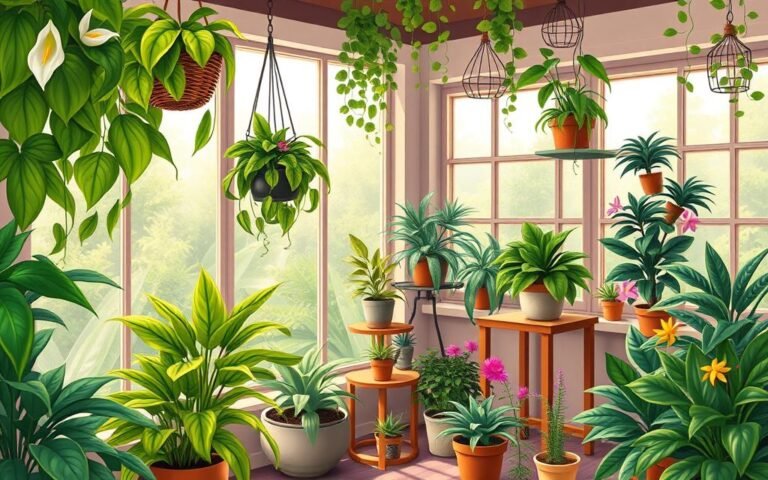
Indoor Self-Watering Options for Australian Homes
Indoor gardening is easy with self-watering planters. Brands like PlanterLife and WaterUps have stylish indoor planters. They keep plants watered, perfect for those who don’t have time to water often.
Outdoor and Balcony Planters for Urban Gardeners
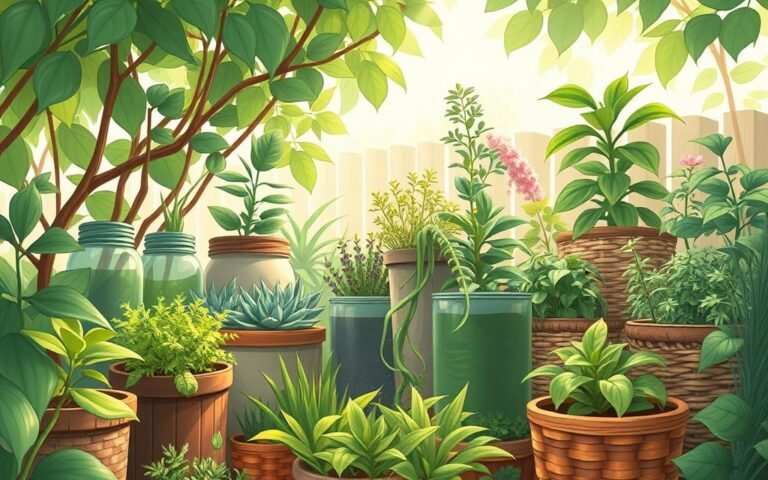
Urban gardeners in Australia can use outdoor planters for balconies and patios. These planters look good and work well. They’re great for growing herbs and flowers, and they handle the weather.
- Durable and weather-resistant materials
- Built-in water reservoirs for reduced watering frequency
- Variety of sizes and styles to suit different spaces
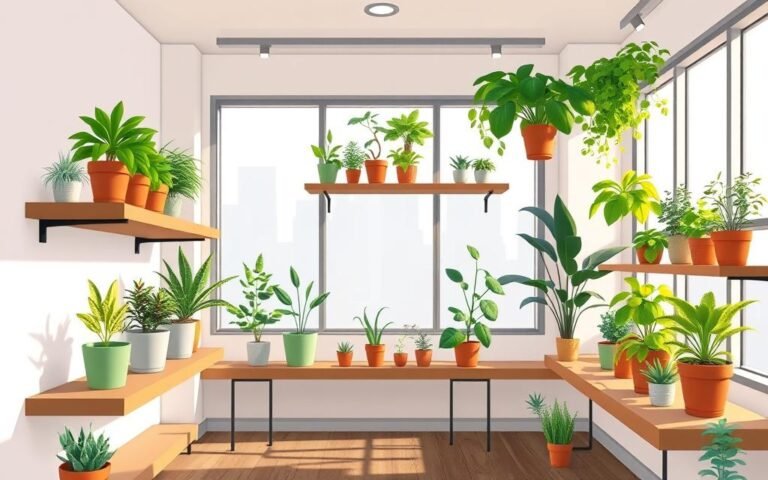
Vertical and Wall-Mounted Systems for Space Efficiency
Vertical gardening is great for small spaces. Wall-mounted self-watering planters are perfect for small areas. They let you grow many plants, saving space and effort.
See this self-watering pot for a space-saving gardening idea.
Large-Scale Garden Beds with Self-Watering Features
For big gardens, self-watering garden beds are a good choice. They’re made for large-scale gardening. You can grow many plants, like veggies and flowers. They have built-in watering systems, so you don’t have to water as often.
Choosing the right self-watering planter makes gardening easier and more sustainable. Whether for indoor plants, outdoor gardens, or big projects, there’s a planter for every need.
Best Plants for Self-Watering Planters in Australian Conditions
Choosing the right plants is key for a thriving garden in Australia’s diverse climate. Self-watering planters are great for growing many plants. This includes native Australian species, herbs, and vegetables.
Native Australian Plants That Thrive in Self-Watering Systems
Native Australian plants love self-watering planters. They adapt well to Australia’s soil and climate. Kangaroo Paw and Sturt’s Desert Pea are beautiful and easy to care for.
Herbs and Vegetables for Year-Round Growing
Self-watering planters are perfect for herbs and vegetables. They keep the water supply steady, helping these plants grow well. Tomatoes, lettuce, basil, and mint are great choices. For more tips, check out Hoselink’s gardening blog.
Adapting Plant Choices for Different Australian Climate Zones
Australia’s climate changes a lot from north to south. Gardeners need to pick plants that fit their local climate.
Tropical North Queensland Selections
In tropical North Queensland, plants that handle high humidity and heat are best. Hibiscus and Heliconia are great for self-watering planters here.
Mediterranean Climate Varieties for Southern Australia
In Southern Australia, plants that like the Mediterranean climate do well. Lavender and Rosemary are good choices. They’re drought-tolerant and love well-draining soil.
| Plant Type | Climate Zone | Watering Needs |
|---|---|---|
| Native Australian Plants | Varied | Low to Moderate |
| Herbs and Vegetables | Temperate to Tropical | Moderate to High |
| Tropical Plants | Tropical | High |
Maintenance and Care Tips for Your Self-Watering Planters
Looking after your self-watering planters is key to keeping plants healthy. It’s important to know how to care for these gardening tools.
Seasonal Adjustments for Australian Weather Patterns
Changing your self-watering planters with the seasons is vital. In Australia’s hot summers, plants need more water. In cooler months, they need less. Monitoring the water level indicator helps with these changes.
Preventing Algae and Mosquito Problems
To stop algae and mosquitoes, keep the water clean. Check for dirt and clean the reservoir when needed. WaterUps suggests using a mild disinfectant now and then to keep the water good.
| Maintenance Task | Frequency | Benefit |
|---|---|---|
| Check Water Level | Weekly | Prevents Over/Under Watering |
| Clean Reservoir | Monthly | Reduces Algae and Mosquito Risk |
| Fertilize | Quarterly | Promotes Healthy Plant Growth |
Fertilising Strategies for Self-Watering Systems
Fertilising your plants in self-watering planters needs thought. Use a balanced, water-soluble fertiliser for even nutrient distribution. PlanterLife suggests using half the recommended fertiliser strength to avoid harming the roots.
Troubleshooting Common Issues
Issues like clogged wicking systems and soggy soil are common. Check the planter’s parts often and fix any problems. If issues keep happening, look at the maker’s advice or get in touch with their support.
Conclusion: Embracing Sustainable Gardening with Self-Watering Planters
Industry leaders like PlanterLife and WaterUps are changing gardening in Australia. They make caring for plants easier and help save water. This is a big step towards greener gardening.
Self-watering planters are a smart choice for gardeners in Australia. They help keep plants healthy without wasting water. These planters save water, need less care, and work well in Australia’s weather.
Using self-watering planters makes gardening more sustainable in Australia. They’re great for both new and experienced gardeners. They make it easy to help the environment through gardening.
Choosing self-watering planters is a small but big step for a greener garden. As more people use them, gardening in Australia will become more water-friendly and eco-conscious.