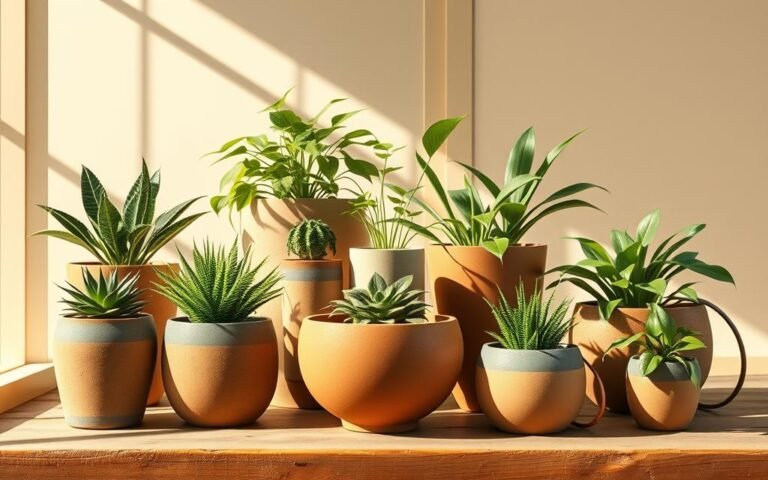
Indoor plants are great for Australian workspaces. They help employees feel better and work better. Studies show that greenery can cut sick leave by 60%.
Workplaces with plants have cleaner air. This makes them healthier places to work.
People do better when they’re around nature. Indoor plants clean the air and make work better. They’re perfect for Aussie workspaces wanting to help employees.
Key Takeaways
- Indoor plants can significantly reduce sick leave absences in the workplace.
- Greenery in the workplace improves air quality and employee wellbeing.
- Australian workspaces can benefit from incorporating low-maintenance plants.
- Indoor plants contribute to a more positive and productive work environment.
- Plants are a simple and effective way to boost workplace productivity.
Why Plants Boost Australian Workplace Environments
Australian workplaces are now seeing the benefits of plants. They make office spaces better for everyone. Plants have a positive effect on both employees and the work environment.
Productivity and Wellbeing Benefits
Studies show plants can make offices 15% more productive. They calm employees, reducing stress and boosting wellbeing. A study found employees in plant-filled offices are happier and less stressed.
“The presence of plants in the workplace can lead to a more positive and productive work environment.”
Air Quality Improvements in Urban Offices
Office plants do more than look good. They also improve indoor air quality. They fight indoor air pollution and control humidity in air-conditioned spaces.
Combating Indoor Air Pollution
Plants clean the air by removing toxins. Peace lilies and spider plants are top air purifiers. They get rid of harmful pollutants.
| Plant Type | Toxins Removed |
|---|---|
| Peace Lily | Ammonia, Benzene |
| Spider Plant | Formaldehyde, Xylene |
Humidity Regulation in Air-Conditioned Spaces
Plants also control humidity, making offices more comfortable. This is especially true in air-conditioned spaces.
Adding plants to Australian workplaces makes them healthier and more productive. Plants do more than look good. They improve air quality and employee wellbeing.
Understanding Low Light Conditions in Aussie Offices
Low light in offices can make it hard for plants to grow. It’s key to pick the right plants for these conditions. Not all places get lots of sunlight, whether at work or home.
What Constitutes “Low Light” in Office Settings
“Low light” in offices means areas with little natural light. This is often because of where they are in relation to windows. Places with no windows or blocked by things outside are low light spots.
Australian Office Building Designs and Natural Light
How Aussie office buildings are designed affects the light plants get. The way windows face and how far they are from them matters a lot.
North vs South Facing Windows in Southern Hemisphere
In the Southern Hemisphere, north windows get more sun than south ones. The sun is mostly in the north. North-facing offices are brighter, while south-facing ones are darker.
Distance from Windows and Light Intensity
How close plants are to windows changes how much light they get. Plants near windows get more light, those farther away get less.
By thinking about these points, people can handle low light better. They can choose and place plants wisely.
Best Low Light Office Plants for Australian Workspaces
In Australian offices where natural light is scarce, the right plants can still thrive and improve air quality. Choosing plants that do well in low light is key for their survival and the look of the workspace.
Peace Lily (Spathiphyllum)
The Peace Lily is known for its elegant white blooms and great air-purifying qualities. It’s easy to care for and can handle low light, making it great for offices with little natural light. It also helps keep humidity levels up, making the air healthier.
Devil’s Ivy (Epipremnum aureum)
Devil’s Ivy, or Pothos, is a versatile, easy-to-care-for plant that does well in different lights, including low light. It has trailing vines and heart-shaped leaves that can brighten up any office. It’s also good at cleaning the air, removing toxins like formaldehyde.
ZZ Plant (Zamioculcas zamiifolia)
The ZZ Plant is a low-maintenance choice that can handle low light and doesn’t need much water, perfect for busy offices. Its glossy leaves add greenery to the space, and it can survive in neglectful conditions.
Snake Plant (Sansevieria trifasciata)
The Snake Plant, also known as Mother-in-Law’s Tongue, has upright leaves that can thrive in low light. It’s known for its air-purifying qualities and can release oxygen at night, making it a great choice for offices.
Chinese Evergreen (Aglaonema)
Chinese Evergreen is a stylish addition to any office, with its beautifully colored leaves. It prefers low to medium light and consistent watering. This plant is not only pleasing to the eye but also helps purify the air, making the workspace healthier.
| Plant Name | Lighting Tolerance | Maintenance Level | Air Purifying Qualities |
|---|---|---|---|
| Peace Lily | Low Light | Low | High |
| Devil’s Ivy | Low to Bright Light | Low | High |
| ZZ Plant | Low Light | Very Low | Moderate |
| Snake Plant | Low to Bright Light | Low | High |
| Chinese Evergreen | Low to Medium Light | Moderate | High |
By adding these plants to Australian workspaces, offices can look better and improve air quality. This makes the work environment healthier.
Native Australian Plants That Thrive Indoors
Australia’s diverse flora offers many plants that do well indoors, even in low light. These native plants are not only beautiful but also easy to care for. They’re perfect for offices.
Some of the best native Australian plants for indoor spaces include:
Kentia Palm (Howea forsteriana)
The Kentia Palm is a top pick for offices. It looks elegant and can handle low light. Plus, it purifies the air, making it great for any workspace.
Bird’s Nest Fern (Asplenium australasicum)
This fern comes from Australia’s rainforests and loves humid, low-light spots. It’s perfect for offices with little natural light. It brings tropical beauty to your space.
Kangaroo Vine (Cissus antarctica)
Kangaroo Vine is a versatile, easy-to-care-for plant. It grows well in different lighting conditions. It’s ideal for offices wanting a hardy, adaptable plant that needs little care.
Happy Wanderer (Hardenbergia violacea)
The Happy Wanderer is a flowering vine that brightens up your office. It likes well-drained soil and partial shade. It’s great for indoor spaces with limited direct sunlight.
Adding these native Australian plants to your office makes it more welcoming and sustainable. They improve your space’s look and air quality. They also boost employee wellbeing.
Selecting Plants for Different Office Zones
Different office zones need special plants to make the space better and more productive. By picking the right plants for each area, you can make your office a happy and growing place.
Reception and Client-Facing Areas
For reception areas, plants like the Kentia Palm or Peace Lily are great. They look good and clean the air too.
Desk Plants for Individual Workstations
For desks, small plants like Snake Plants or ZZ Plants are best. They need little care and grow well in little light.
Meeting Rooms and Collaborative Spaces
Meeting rooms do well with plants that help people relax and focus. Chinese Evergreen or Bird’s Nest Fern are good choices. They help make a space for good talks.
Break Rooms and Kitchen Areas
In break rooms, plants like Devil’s Ivy or Kangaroo Vine are nice. They bring green and freshness. Plus, they’re easy to look after, even in moist places.
| Office Zone | Suitable Plants | Benefits |
|---|---|---|
| Reception Areas | Kentia Palm, Peace Lily | Aesthetic appeal, air purification |
| Individual Workstations | Snake Plant, ZZ Plant | Low maintenance, thrives in low light |
| Meeting Rooms | Chinese Evergreen, Bird’s Nest Fern | Promotes calmness and focus |
| Break Rooms | Devil’s Ivy, Kangaroo Vine | Adds freshness, easy to care for |
For more ideas on office plants, check out NearHub’s blog on top office plants.
Maintaining Office Plants in Australian Conditions
To keep office plants thriving in Australia, it’s key to understand the local climate. Adjust care routines as needed. Seasonal changes can greatly affect their health and life span.
Seasonal Care Adjustments
Seasonal care is vital for office plants in Australia. The climate changes a lot from season to season. In summer, plants may need more water because of the heat.
Summer Heat and Air Conditioning Challenges
Summer heat and air conditioning dry out the air. This affects plants like the Peace Lily and Snake Plant. To help, water more often or use a humidifier.
Winter Heating and Reduced Light
In winter, plants face stress from reduced light and heating. Adjust watering and consider grow lights for plants needing more light, like the Bird’s Nest Fern.
Weekend and Holiday Maintenance Strategies
Offices closed on weekends and holidays need a maintenance plan. Use automated watering systems or assign a caretaker to check plants.
Watering Systems for Busy Offices
Busy offices can use automated watering systems. They ensure plants get the right water even when staff are away. This is great for plants like the ZZ Plant, which needs regular watering.
By using these strategies, offices can keep plants healthy all year. This improves the workspace environment.
Troubleshooting Common Office Plant Problems
Fixing common office plant problems is key to a healthy work area. Plants in offices can get pests or turn yellow. Knowing how to fix these issues helps your plants stay healthy.
Pest Management in Shared Spaces
Pests like spider mites and mealybugs are common in offices. Check your plants often and keep sick ones away from others. Use natural pest killers like neem oil or insecticidal soap.
Addressing Yellowing or Drooping Leaves
Yellow or droopy leaves mean your plant might be getting too much or too little water. Make sure the soil isn’t too wet or dry. Also, give your plants enough light and think about fertilizing.
When and How to Repot Office Plants
Repot your plants when the soil is too tight and roots are showing. Pick a pot that’s just a bit bigger. Use a mix that drains well to avoid soggy soil.
Dealing with Neglect and Recovery
Even neglected plants can bounce back. Look for signs of life, cut off dead leaves, and improve care. With the right care, many plants can recover.
By tackling these common problems, you can keep your office plants happy and healthy. This makes your workspace better for everyone.
Conclusion: Creating a Thriving Green Office Space
Adding the right plants to Australian offices makes them healthier and more productive. Plants like Peace Lily and Snake Plant clean the air and improve wellbeing. They can cut down VOCs by up to 60% and minor illnesses by 30%, reducing sick days.
To make a green office thrive, pick plants that fit Australian conditions and care for them well. Adjust watering for busy offices and change care with the seasons. This way, offices get better productivity, less stress, and better mental health. For more on indoor plants, check out Tropical Plant Rentals.
A green office can make employees 12% more productive and reduce fatigue and sick leave. Choosing the right plants and care can make offices healthier and better for the planet.