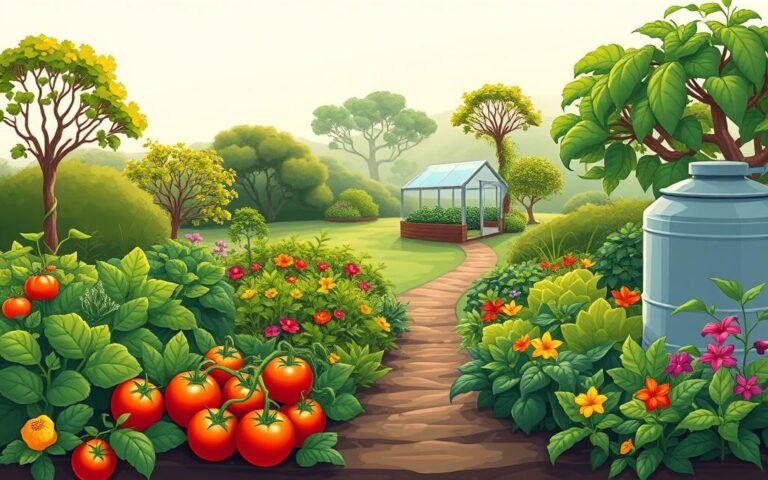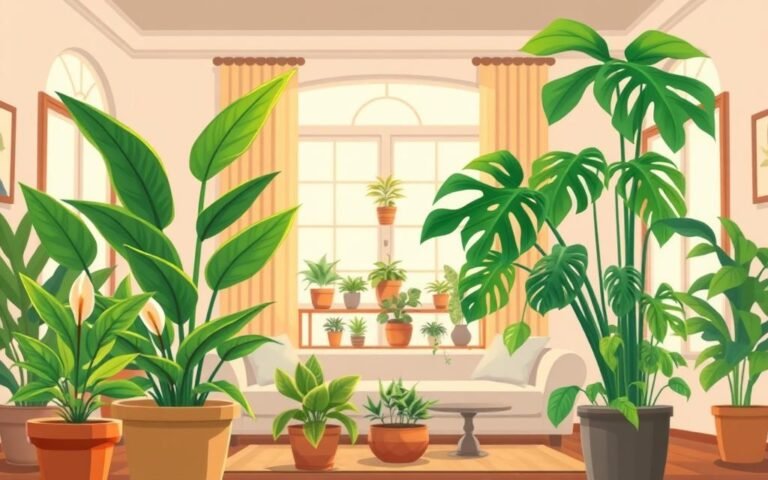
As you look around your living space, you might be thinking about ways to make it more sustainable. With growing concerns about environmental changes, it’s no wonder you’re seeking alternatives for your domestic spaces and gardens.
You can start by exploring eco-friendly plants that not only purify the air but also add a touch of nature to your home. By incorporating sustainable gardening practices, you can reduce your ecological footprint and create a healthier environment for yourself and your loved ones.
Key Takeaways
- Discover how to make your living space more sustainable
- Learn about the benefits of eco-friendly plants
- Explore sustainable gardening practices for a healthier environment
- Find out how to reduce your ecological footprint
- Create a more environmentally friendly home with simple changes
The Environmental Impact of Indoor Plants
Adding indoor plants to your home can make the air cleaner. It also helps reduce your carbon footprint and boosts your mental health. These plants are good for both our environment and our wellbeing.
Air Purification Benefits
Indoor plants clean the air by removing harmful substances. Some plants are better at this than others.
Top Toxin-Removing Plant Species
- Spider Plant: Good at removing pollutants like formaldehyde and xylene.
- Peace Lily: Removes ammonia, benzene, and other toxins from the air.
- Snake Plant: Removes formaldehyde and other pollutants, making the air cleaner.
Improving Indoor Air Quality in Australian Homes
Indoor plants can make the air in Australian homes much better. This is key in modern homes that are sealed to save energy.
Carbon Footprint Reduction
Indoor plants help reduce carbon footprint by absorbing CO2. Having more plants can offset some of the carbon emissions from daily activities.
Mental Health and Wellbeing Effects
Caring for indoor plants can make you feel less stressed and more calm. The act of nurturing plants is very therapeutic.
Top Low-Maintenance Plants for Australian Homes
Australia’s climate is tough, so we need plants that can handle it. Low-maintenance natives are perfect for our homes. They can survive the harsh conditions.
Drought-Tolerant Native Options
Native plants are made for our climate. They need less water and care. Here are some great picks:
- Coastal and Desert Natives like Succulents and Sturt’s Desert Rose. They keep water in their leaves and stems.
- Bushfire-Resistant Species such as Kangaroo Paw and Banksia. They’ve learned to live in fire-prone places.
Indoor Plants That Thrive in Australian Climate
Indoor plants do well with native or climate-adapted types. Think about Snake Plants and ZZ Plant. They’re tough and clean the air.
Best Plants for Beginners
If you’re new to indoor gardening, start with Resilient Species for Busy Lifestyles. Spider Plants and Pothos are easy to care for. They do well in many conditions.
Choosing the right plants makes indoor gardening easy, even in Australia’s tough climate.
Creating Your Own Indoor Edible Garden
Starting an indoor edible garden is rewarding. It brings fresh food right to your home. With the right plants and methods, you can grow herbs and veggies all year, even in small spaces.
Herbs That Flourish Indoors
Growing herbs indoors adds freshness to your meals. Some herbs do better indoors than others.
Year-Round Culinary Herbs
- Basil: A favorite for many dishes, basil does well in indoor pots.
- Mint: Mint is hardy and easy to care for indoors.
- Chives: Chives are easy to grow and add a fresh onion taste.
Medicinal Herb Options
Some herbs are good for health and can grow indoors. Calendula and Chamomile are examples. They’re great for teas and salves.
Small-Space Vegetable Growing
Growing veggies indoors needs careful picking and the right conditions. Vertical gardening is a good way to use space well.
Vertical Growing Solutions
Using a trellis or wall planter lets you grow more veggies in less space. Tomatoes and peppers do well this way.
| Vegetable | Growing Conditions | Space Requirements |
|---|---|---|
| Tomatoes | Bright light, consistent watering | Medium to large |
| Peppers | Warmth, adequate light | Small to medium |
| Lettuce | Partial shade, consistent moisture | Small |
Sustainable Harvesting Techniques
To keep your garden going, use sustainable harvesting. This means picking regularly but not too much. Too much picking can harm the plants.
By following these tips and picking the right plants, you can enjoy a lot of harvest. It’s good for you and the planet.
Home Eco Plant Solutions for Water Conservation
Australia is facing more droughts than ever. It’s crucial to use water wisely at home. Choosing the right plants and using sustainable watering systems helps a lot.
Water-Efficient Plant Species for Australian Conditions
Choosing plants that love dry weather is a smart move. These plants use less water. Here are some good picks:
- Succulents like aloe vera and agave
- Native plants such as kangaroo paw and banksia
- Drought-tolerant grasses like buffalo grass
Rainwater Collection Systems
Setting up a rainwater collection system is a smart choice. It lets you use rainwater for your plants. This cuts down on the need for tap water.
DIY Options for Small Spaces
If you live in a small place, there are DIY rainwater solutions. You can use big plastic bins or barrels under downspouts.
Compliance with Local Council Regulations
Before you start a rainwater system, check local rules. Make sure you follow what your council says about harvesting rainwater.
Greywater Reuse for Plants
Using greywater for plants is another great way to save water. Greywater comes from sinks, showers, and washing machines. It’s a big help in saving water.
“Greywater reuse systems can significantly reduce the demand on potable water supplies, making them an attractive option for eco-friendly homeowners.”
Drought Management Strategies
To help your plants during dry times, try mulching and using smart irrigation. These methods keep your plants healthy even when it’s dry.
| Drought Management Strategy | Benefits |
|---|---|
| Mulching | Reduces soil evaporation, retains moisture |
| Efficient Irrigation Systems | Delivers water directly to roots, minimizing waste |
Sustainable Plant Care Practices
To care for your plants and the planet, use sustainable methods. Eco-friendly practices help your plants thrive and protect the environment.
Natural Fertilisers and Pest Control
Choosing natural fertilizers is key for plant care. They help plants grow well and are better for the planet. For pests, use organic methods that don’t harm the environment.
Australian-Made Organic Options
Australia offers many organic fertilizers and pest control products. Look for certified organic and natural ingredients. Compost teas and worm castings are great for nutrients and microbes.
Composting for Plant Health
Composting makes great soil for plants. It turns kitchen and garden waste into a valuable resource for your garden.
Apartment-Friendly Composting Methods
Apartment dwellers can compost indoors. Use compact bins or worm composting systems. They’re odor-free and perfect for small spaces.
Eco-Friendly Potting Materials
Choose eco-friendly potting materials for your plants. Pots from recycled materials or bamboo are good for the planet. They also look natural in your garden.
Seasonal Care Calendar for Australian Climate Zones
Australia’s climate zones need different care plans. Use a seasonal care calendar for your area. It helps with watering, pruning, and fertilizing at the right times.
Transforming Living Spaces with Strategic Plant Placement
Placing plants wisely can make your living areas more welcoming and green. It improves your home’s look, sustainability, and comfort.
Natural Temperature Regulation
Plants help control indoor temperatures. They cool your home by releasing moisture into the air during hot months.
Cooling Effects During Australian Summers
In summer, the right plants can cool your home naturally. This cuts down on air conditioning use and saves energy. Try Peace Lilies or Boston Ferns for cooling.
Creating Green Dividers and Privacy Screens
Plants can act as natural dividers or privacy screens. Tall plants or trellises with climbing plants work well.
Maximising Light and Energy Efficiency
Plants can also improve natural light and cut down on artificial lighting. By placing them to catch the sun, you save energy.
Reducing Electricity Usage with Plant Positioning
Placing plants near windows or using reflective surfaces spreads natural light. This reduces the need for electric lights. For more tips, see our guide on Lemon8.
Indoor-Outdoor Flow for Australian Lifestyle
In Australia, indoor and outdoor living often blend. Plants help make this transition smooth, improving your living space.
Conclusion: Embracing Plant-Based Sustainability at Home
Exploring ways to add eco-friendly plants to your home shows it’s easy to live sustainably. Choosing the right plants and caring for them helps your home and the planet. It’s a simple way to live better.
Start with easy plants, grow your own food indoors, or save water. Every little change helps a lot. Adding plants makes your home healthier, improves air, and makes you feel better.
Choosing plant-based living means you’re part of a big movement. It’s about caring for our planet. Begin today and watch your home flourish. With the right plants and care, you’ll make a big difference.