The “carbon footprint of indoor plants” simply means the emissions tied to a plant’s journey — from nursery growing and transport to the pots, compost and what happens when it’s discarded.
Many Aussies buy houseplants for wellbeing and a greener-feeling home. That emotional pull is real. But green-looking doesn’t always equal low impact.
This short guide is for Australian plant lovers who want lower-impact choices without ditching their collection. We’ll unpack the main drivers: plant miles, energy used in growing, plastic pots and packaging, peat-based mixes, and the hidden cost when a plant is wasted.
Note: One or two houseplants won’t offset a household’s emissions. But smarter buys, better care and simple swaps — like peat-free mixes, reusing nursery pots and propagation — can cut the per-plant impact. For research and context on how plants can help indoors, see a useful primer on houseplant benefits.
Key Takeaways
- Definition: emissions from growing, moving and disposing of a plant.
- Look beyond looks — choose lower-impact potting mix and pots.
- Match plant to light and care to keep plants alive longer.
- Small, practical swaps reduce the impact per plant.
- Goal is practical action, not guilt.
What “carbon footprint” means for indoor plants in Australian homes
Before you bring a new leafy friend home, it helps to know where its emissions come from and what you can control.
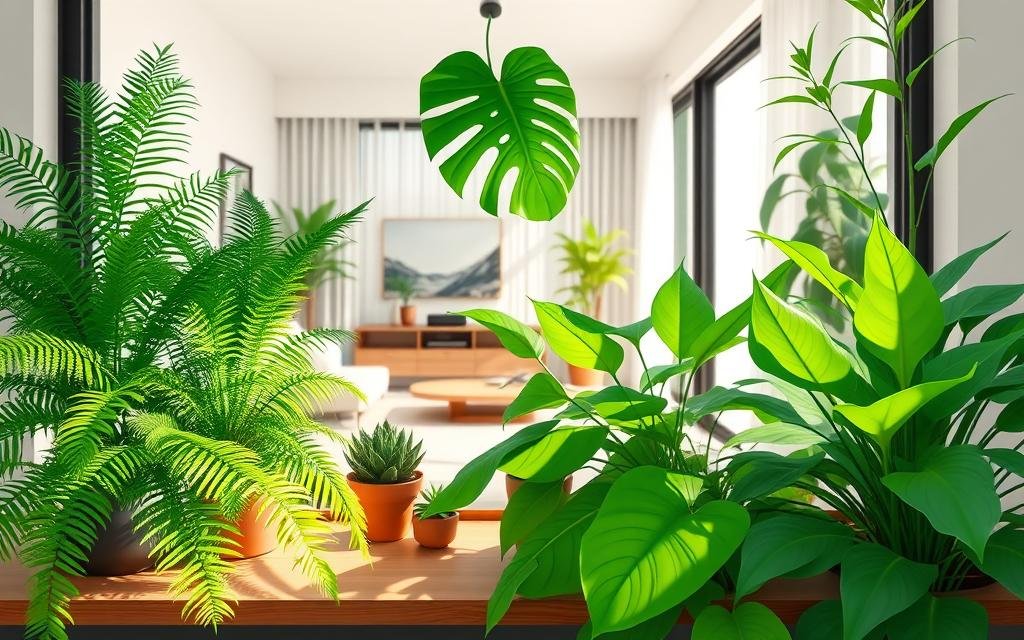
The lifecycle matters. Emissions can happen long before a plant reaches your house: growing conditions, freight and packaging all add up. While you care for it, water, fertiliser, pest sprays and any grow lights add energy and waste. Finally, disposal — landfill or compost — finishes the cycle.
The stages to watch
Before ownership: nursery practices and transport. These often make up the largest share of a product’s impact.
During life: daily care choices can raise energy use, or keep a plant thriving for years.
End‑of‑life: reusing pots, donating or composting cuts waste compared with landfill.
Why houseplants feel green — and the limits
People buy houseplants for nature, calm and better mental health. That benefit is real, even if climate gains are modest.
“To halve the CO2 in a room would need many plants and strong light — and extra lighting can cancel gains.”
Plants do take up carbon dioxide and release oxygen, but a few in a room won’t erase a household’s wider emissions. Trying to force higher CO2 uptake can backfire if it means more electricity for grow lights.
Next: we’ll quantify the biggest drivers — transport, growing energy, potting mixes and waste — so you can focus on practical swaps that matter most.
Key drivers of the carbon footprint of indoor plants
Understanding the main stages helps you make lower-impact choices. Below are the practical drivers that shape a plant’s life-cycle emissions and what you can do about them.
Plant miles and delivery
Plant miles stand in for transport emissions. A single courier route that drops many orders can be greener than several separate car trips to a nursery.
But long-distance or overseas shipping raises totals. In Australia, long suburbs and regional trips make travel choices important.
Growing conditions and scale
Heated glasshouses use a lot of energy in cool regions. Growing in warmer climates can avoid that heat but adds freight emissions.
Large commercial growers usually use inputs more efficiently, lowering per-plant energy use compared with small-batch setups.
Plastic pots and packaging
Most houseplants arrive in light plastic pots and protective packaging. These are often hard to recycle because soil contamination and mixed plastics confuse sorting systems.
Look for pot return schemes or reuse nursery pots to cut waste and keep materials in use.
Peat in potting mixes
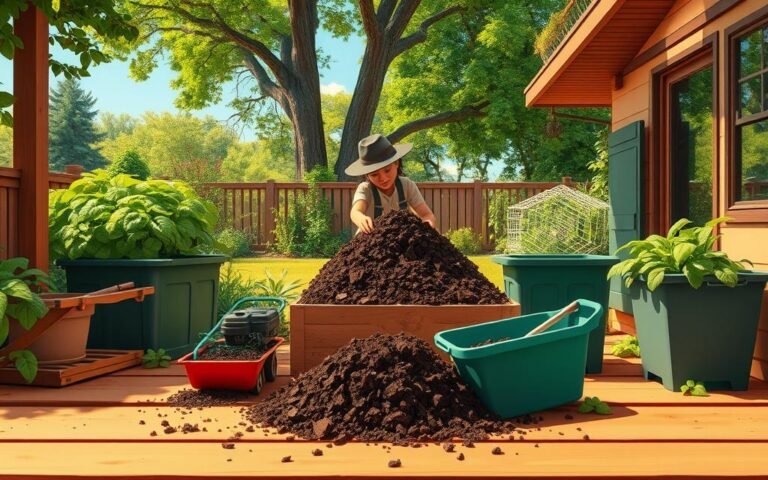
Peat forms slowly and stores large amounts of carbon and biodiversity. Harvesting peat releases stored carbon and harms ecosystems. Choose peat-free mixes when you can.
Wastage: the big multiplier
When a plant is discarded and replaced, you multiply the growing, transport, pot and mix impacts. The most sustainable plant is one you keep thriving for years.
| Driver | Why it matters | Simple fix | Typical Australian note |
|---|---|---|---|
| Transport | Many drops vs many car trips | Consolidate deliveries or buy local | Long distances between towns increase travel choices |
| Growing energy | Heated greenhouses raise energy use | Choose growers in suitable climates or high‑efficiency nurseries | Scale can lower per-item energy use |
| Plastic pots & packaging | Hard to recycle, often contaminated | Reuse pots, use take‑back schemes | Council recycling rules vary widely |
| Wastage & peat | Replacement multiplies all impacts; peat releases stored carbon | Keep plants healthy; choose peat‑free mixes | Long-term care beats frequent replacement |
For more context on environmental trade-offs and practical tips, see this houseplant environment Q&A.
Are indoor plants actually good for the environment and indoor air quality?
Many people expect pot plants to “clean” the air; the truth is more subtle and worth a clear look.
Indoor air quality reality check
What they can do: Plants take up small amounts of pollutants and use carbon dioxide during photosynthesis. This helps local air chemistry near leaves under the right light and watering.
What they cannot do: Plants do not replace ventilation, mechanical filtration or source control for pollution. A handful of pots won’t remove the pollution a room gets from cooking, smoking or poor ventilation.
“To halve the CO2 in a room would need many plants and strong light — and extra lighting can cancel gains.”
Why results vary
Outcomes depend on plant type, leaf area, light levels, soil moisture and the size of the space. Lab studies with sealed chambers often show better removal than real rooms.
Meaningful reductions in carbon dioxide or pollutants usually need many plants, green walls or trade-offs like extra energy for grow lights.
Practical, “good‑enough” guidance
- Layer solutions: Use plants as a supportive measure alongside opening windows, exhaust fans and HEPA filtration when needed.
- Match plants to space: Choose hardy species that suit your light and watering routine so they survive long-term.
- Focus on wellbeing: The clearest benefits for people are stress reduction, better mood and connection to nature — real gains for mental health and comfort.
| Claim | Reality | Practical tip |
|---|---|---|
| Remove pollutants | Modest local uptake; lab results exceed real rooms | Combine with ventilation and source control |
| Lower CO2 | Only significant with many plants or lights | Open windows and avoid extra lighting where possible |
| Health benefits | Strong evidence for mood and stress | Use plants, daylight and views to boost wellbeing |
How to reduce the carbon footprint of indoor plants without giving up your jungle
Small daily choices add up. You can keep a lush home while trimming each plant’s environmental toll. Focus first on the big wins — keeping a plant alive for years and buying fewer replacements.
Buy better
Choose hardy houseplants that suit your room’s light and your routine. Avoid impulse seasonal buys and varieties likely to be discarded quickly, such as poinsettias or heavily sprayed cacti.
Shop closer to home when you can, or combine plant runs with other errands. A single well‑planned delivery can be better than many short car trips.
Grow and swap
Propagate from cuttings or seeds to expand your collection with almost no packaging or new pots. Community plant swaps or trading with mates cuts production, delivery and packaging impacts.
Ditch peat
Pick peat‑free mixes and ask sellers what they use. Peat forms over thousands of years; choosing alternatives helps protect habitats and stored carbon in peat bogs.
Cut plastic
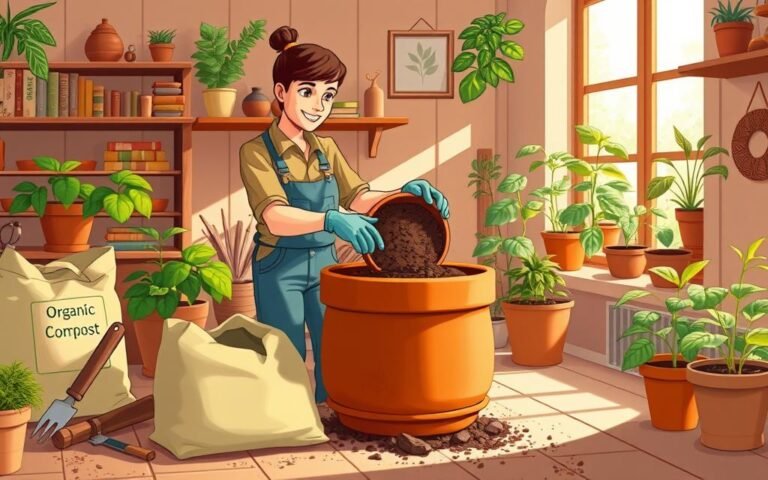
Keep nursery pots for reuse and choose sellers with low‑waste packaging. Recycling pots varies by council, so reuse and take‑back schemes are the best options.
Keep them alive longer
Match a houseplant to the space — light, size and daily care. Plants that fit your home need less replacement, which is the single biggest lever to lower impact.
Care with intention
Water wisely to avoid rot and replace less often. Don’t rely on energy‑hungry grow lights unless you truly need them; place plants near natural light to reduce extra energy use.
- Playbook: Prioritise longevity, then swaps, peat‑free mixes, pot reuse, and smarter shopping.
- Simple tracking: Try a “one in, one out” rule or a no‑buy month each year to cut new packaging and plant miles.
Conclusion
Small, steady changes are the best way to lower the carbon footprint of indoor plants without losing the joy they bring.
Focus on big levers: buy less but better, keep each plant healthy for years, avoid peat, reduce plastic and favour reuse over recycling when uncertain.
Plants can add modest benefits for air and wellbeing, but they do not replace ventilation or good household practice. Avoid using extra energy to try to “offset” pollution with more greenery.
Quick checklist for this week: switch to a peat‑free mix, reuse nursery pots, propagate one cutting, check light in each room and plan one consolidated shop or delivery.
Make choices that fit your Australian home — local growers, council recycling rules and take‑back schemes will shape your options. Do that and you’ll cut impact while keeping the benefits for health, mood and connection to nature.