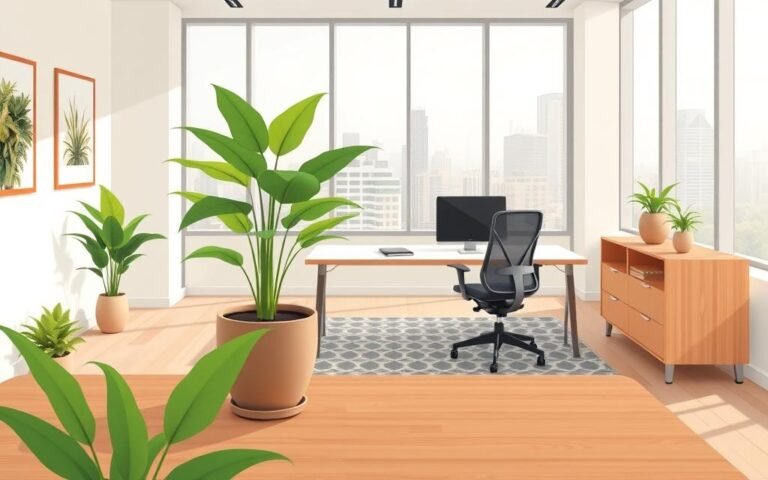
Indoor air quality can be bad due to pollutants and toxins. NASA found that some houseplants can fight sick building syndrome. They make your home air better.
Using air-purifying plants is a smart and pretty way to make your home healthier. These plants clean the air by removing pollutants. We’ll look at the top picks for improving indoor air quality in this article.
Key Takeaways
- Certain houseplants can significantly improve indoor air quality.
- NASA research supports the use of plants for combating sick building syndrome.
- Air-purifying plants are both decorative and functional.
- They help remove pollutants and toxins from the air.
- Using these plants can lead to a healthier living environment.
Understanding Indoor Air Pollution in Australian Homes
The air in your Australian home might be more polluted than you think. It poses serious health risks. Indoor air pollution is a big worry, especially since we spend a lot of time indoors.
Common Indoor Pollutants in Australian Homes
Australian homes face many indoor pollutants. These include:
- Particulate matter (PM) from cooking and heating
- Volatile Organic Compounds (VOCs) from household products
- Mould and dampness, especially in humid places
Health Impacts of Poor Indoor Air Quality
Being exposed to indoor air pollutants can cause health problems. These range from mild irritation to serious issues like respiratory diseases and heart problems. Poor indoor air quality can make asthma worse, trigger allergies, and harm overall health.
Knowing these risks helps you improve your home’s air quality. This makes your living space healthier for you and your family.
How Plants Purify Indoor Air
Plants are more than just decorations. They are powerful air cleaners. They remove harmful toxins from the air, making it cleaner. This makes them a great addition to any home or office.
The Science Behind Phytoremediation
Phytoremediation is how plants clean the air. They absorb and break down pollutants. This includes harmful gases from household items and furniture. Knowing how it works helps us make our indoor spaces healthier.
NASA Clean Air Study Findings
The NASA Clean Air Study looked into how plants clean the air. It found some plants can remove up to 87% of toxins in just 24 hours. This study showed how important air-purifying plants are for clean indoor air.
Best Air Purifying Plants for Australian Homes
Adding air-purifying plants to your home is a smart move. It’s easy and can make your air cleaner. You can pick plants that clean the air and match your home’s look and feel.
Peace Lily (Spathiphyllum)
The Peace Lily is famous for its beautiful white flowers and air-cleaning skills. It’s a top pick for homes in Australia because it grows well in little light.
Toxins Removed: Formaldehyde, Benzene, Trichloroethylene
This plant is great at getting rid of indoor pollutants like formaldehyde, benzene, and trichloroethylene. It’s a smart choice for better air inside.
Snake Plant (Sansevieria)
The Snake Plant, also called Mother-in-Law’s Tongue, is easy to care for and cleans the air well. It can handle different light levels, making it great for Australian homes.
Toxins Removed: Formaldehyde, Nitrogen Oxide, Benzene
This plant removes formaldehyde, nitrogen oxide, and benzene from the air. It helps make your home air healthier.
Spider Plant (Chlorophytum comosum)
The Spider Plant is loved for being easy to care for and cleaning the air. It’s especially good at removing formaldehyde and other pollutants.
Toxins Removed: Formaldehyde, Xylene, Carbon Monoxide
Adding Spider Plants to your home can lower formaldehyde, xylene, and carbon monoxide levels. This improves your indoor air quality.
Devil’s Ivy (Epipremnum aureum)
Devil’s Ivy, or Pothos, is versatile and easy to care for. It can grow in many light conditions. It’s a good choice for Australian homes wanting better air.
Toxins Removed: Formaldehyde, Benzene, Xylene
This plant is good at removing indoor pollutants like formaldehyde, benzene, and xylene. It’s a valuable addition to any home.
Rubber Plant (Ficus elastica)
The Rubber Plant is known for its big, dark green leaves and air-cleaning abilities. It’s stylish and useful for any Australian home.
Toxins Removed: Formaldehyde, Ammonia, Mould Spores
By removing formaldehyde, ammonia, and mould spores, the Rubber Plant makes your home air healthier. It’s a great choice for homes.
| Plant | Toxins Removed | Lighting Conditions |
|---|---|---|
| Peace Lily | Formaldehyde, Benzene, Trichloroethylene | Low Light |
| Snake Plant | Formaldehyde, Nitrogen Oxide, Benzene | Variety of Lighting |
| Spider Plant | Formaldehyde, Xylene, Carbon Monoxide | Bright, Indirect Light |
| Devil’s Ivy | Formaldehyde, Benzene, Xylene | Variety of Lighting |
| Rubber Plant | Formaldehyde, Ammonia, Mould Spores | Bright, Indirect Light |
The table shows each plant’s benefits and how they can thrive in different conditions. This makes them perfect for many Australian homes.
“Indoor plants are not just decorative elements; they’re also powerful air purifiers that can significantly improve the quality of the air we breathe indoors.”
By adding these air-purifying plants to your home, you can make it healthier and nicer. Whether you’re good with plants or new to caring for them, there’s a plant for you.
Native Australian Plants That Improve Air Quality
Choosing the right native plants can make your Australian home’s air cleaner. These plants are not only pretty but also purify the air. This makes your home a healthier place to live.
Wax Flower (Chamelaucium uncinatum)
The Wax Flower is a favorite in Australia for its delicate flowers. It’s not just pretty; it also cleans the air. It’s easy to care for, making it perfect for busy people.
Lilly Pilly (Syzygium)
Lilly Pilly is great at purifying the air. It can grow indoors or outdoors, fitting many homes. It removes many pollutants, making your home healthier.
Kangaroo Paw (Anigozanthos)
Kangaroo Paw brings the outback into your home with its bright colors. It’s also good for the air. It’s easy to care for and does well indoors.
Choosing plants like Wax Flower, Lilly Pilly, and Kangaroo Paw makes your home healthier and prettier. They improve the air and add Australian beauty to your space.
Caring for Your Air-Purifying Plants
To get the most from your air-purifying plants, you need to care for them right. Knowing what they need is key. This includes watering, light, fertilising, and when to repot.
Watering Requirements for Different Climate Zones
Watering needs change a lot in different parts of Australia. In hot, wet places, like the tropics, plants like the Peace Lily need more water. But in dry areas, plants like the Snake Plant can go longer without water. For tips on picking the right plants for your area, see this CNET article.
Light and Temperature Needs in Australian Conditions
Most plants like bright, indirect light. But some can handle low light. For example, the Spider Plant does well in many lighting conditions. They also like daytime temperatures between 20-24°C and cooler nights.
Fertilising and Repotting Tips
Fertilise your plants in spring and summer with a balanced fertiliser. This helps them grow and clean the air better. Repot them every 1-2 years when they outgrow their pots. Use a mix that drains well to avoid root rot.
| Plant Care Tip | Description | Benefit |
|---|---|---|
| Watering | Adjust based on climate zone | Prevents overwatering/underwatering |
| Lighting | Provide appropriate light levels | Promotes healthy growth |
| Fertilising | Fertilise during growing season | Enhances plant health and air purification |
Strategic Placement for Maximum Air Purification
To get the most out of plants, place them wisely in your home. The right spot can make them better at cleaning the air.
Different rooms need different air cleaners. Here’s where to put plants:
Plants for Bedrooms
Bedrooms need plants like the Snake Plant or Peace Lily. They clean the air and help you sleep better.
Plants for Living Areas
Living areas look great with plants like the Spider Plant or Rubber Plant. They also clean the air. Plus, they’re easy to care for.
Plants for Bathrooms and Kitchens
Bathrooms and kitchens need plants that like humidity. Try Devil’s Ivy or Bamboo Palm. They handle moisture well and clean the air.
| Room | Recommended Plants | Benefits |
|---|---|---|
| Bedrooms | Snake Plant, Peace Lily | Improved sleep, air purification |
| Living Areas | Spider Plant, Rubber Plant | Aesthetic appeal, air quality improvement |
| Bathrooms & Kitchens | Devil’s Ivy, Bamboo Palm | Thrives in humidity, air purification |
Common Issues and Troubleshooting
As you care for your air-purifying plants, you might face some common problems. Knowing these issues helps you act fast and keep your plants healthy.
Pests and diseases can be a big problem. Let’s look at some common issues and how to fix them.
Dealing with Pests Common in Australia
Australia’s environment attracts pests like spider mites, mealybugs, and scale. Check your plants often and use neem oil or insecticidal soap if needed. “Regular checks are crucial to stop pests,” says a top horticulturist.
Preventing Plant Diseases in Humid Climates
Humid weather can cause fungal diseases. Make sure plants have good air flow and don’t overwater to avoid root rot. Proper care is your best defense against these problems.
Signs Your Plant Is No Longer Purifying Effectively
If your plant’s leaves turn yellow or it’s not doing well, it might not be purifying the air as much. Look for pests, adjust watering, and think about repotting to help your plant.
By being proactive and tackling these common issues, you can enjoy your air-purifying plants for many years.
Conclusion
Adding air-purifying plants to your home can make the air cleaner. This makes your living space healthier for you and your family. Knowing how to care for these plants helps you enjoy cleaner air and a prettier home.
With the right info, you can put these plants in the best spots. Like bedrooms and living rooms. This boosts indoor air quality and makes your home look better.
Choosing the right plants and taking good care of them makes your home healthier. Exploring air-purifying plants can really improve your home and health. It’s a great time to start adding these plants to your home.