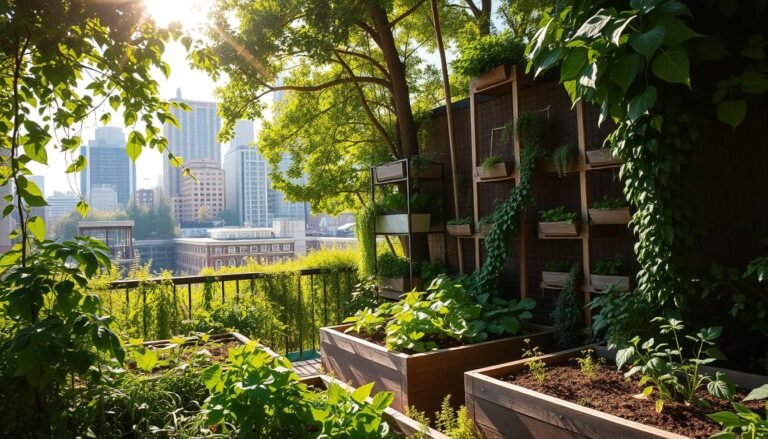
Creating an eco-friendly garden is easier than you think. It starts with choosing the right plants. By using Australian native plants, you support local biodiversity and reduce your environmental footprint.
These plants need less water, fertiliser, and care. As you start gardening, you’ll see the beauty and benefits of native plants.
Key Takeaways
- Using Australian native plants supports local biodiversity.
- Eco-friendly gardens need less water and care.
- Native plants fit well with our climate and soil.
- Creating a sustainable garden is easy with the right plants.
- You can lessen your environmental impact with eco-friendly gardening.
The Benefits of Native Australian Plants in Your Garden
Adding native Australian plants to your garden is great. They help the environment and save money. These plants fit well with our local weather and soil.
Environmental Advantages of Indigenous Species
Native plants are good for the environment. They need less water and care because they’re made for our climate.
Reduced Water Consumption
These plants don’t need much water. For instance, the Snowy River Wattle and Box Leaf Wattle are beautiful and easy to care for.
Lower Maintenance Requirements
They need less pruning, fertilizing, and pest control. This makes them great for those who want to help the environment.
| Plant | Water Requirement | Maintenance Level |
|---|---|---|
| Snowy River Wattle | Low | Low |
| Box Leaf Wattle | Low | Low |
Economic Benefits and Resource Conservation
Native plants also save you money. They use less water and need fewer fertilizers and pesticides. This cuts down your gardening costs.
“Gardening with native plants is not just about saving water; it’s about creating a sustainable future for our gardens and our planet.”
Supporting Local Wildlife and Biodiversity
Native plants are key for local wildlife. They offer food and shelter for birds, bees, and other animals. This helps keep your garden diverse.
Australian Native Sustainable Plants for Different Garden Styles
Australian native plants are perfect for a green and sustainable garden. They fit many garden styles, from water-wise to vibrant and low-maintenance.
Drought-Tolerant Options for Water-Wise Gardens
For areas with little water, choose drought-tolerant native plants. They need less water and add beauty to your garden.
Banksias and Grevilleas
Banksias and Grevilleas are great for dry gardens. They come in many sizes and attract birds and bees with their flowers.
Native Grasses and Sedges
Native grasses and sedges are perfect for saving water. They grow well in poor soil and help local wildlife.
Flowering Natives for Colour and Pollinators
Flowering native plants bring colour to your garden. They also attract bees and butterflies.
Kangaroo Paw and Waratah are popular for their bright flowers. They make your garden colourful.
Ground Covers and Lawn Alternatives
Native ground covers are a good choice for easy gardens. They grow fast and do well in poor soil.
Creeping Boobialla and Native Violet are great options. They’re easy to care for and make your garden look lush.
| Plant Type | Drought Tolerance | Flowering | Maintenance |
|---|---|---|---|
| Banksias | High | Yes | Low |
| Grevilleas | High | Yes | Low |
| Native Grasses | High | No | Low |
| Kangaroo Paw | Medium | Yes | Medium |
| Creeping Boobialla | Medium | Yes | Low |
Best Native Plants for Different Australian Climate Zones
To make a garden that lasts, pick native plants that fit your area’s climate. Australia has many climates, from the coast to dry lands. The right plants make your garden grow well with little care.
Coastal and Subtropical Regions
Coastal and subtropical gardens need plants that handle salt and wet air. Salt-tolerant species are perfect for these spots.
Salt-Tolerant Species
Coastal Rosemary (Westringia fruticosa) is great for coastal areas. It can handle salty winds and needs little care.
Humidity-Loving Plants
In subtropical areas, plants like Coastal Morning Glory (Ipomoea cairica) love the wet air. They give beautiful flowers and green leaves.
Arid and Semi-Arid Areas
In dry and semi-dry places, choose plants that don’t need much water. These plants have learned to live with little water.
Lomandra ‘Tanika’ is a tough native grass for dry areas. It needs less water and care.
Temperate and Cool Climate Options
In cooler and temperate areas, pick plants that handle cold and frost. Native grasses and waratahs are good choices.
| Climate Zone | Recommended Native Plants |
|---|---|
| Coastal/Subtropical | Coastal Rosemary, Coastal Morning Glory |
| Arid/Semi-Arid | Lomandra ‘Tanika’ |
| Temperate/Cool | Native Grasses, Waratah |
Choosing native plants for your climate makes a garden that’s stunning, green, and easy to care for.
Designing Your Eco-Friendly Garden with Native Plants
Starting an eco-friendly garden? Use native Australian plants to help local wildlife. These plants fit your local climate and soil perfectly, making them great for a green garden.
Planning Your Native Garden Layout
Plan your garden by grouping plants with the same water needs. This makes caring for your garden easier. Remember to leave enough space for your plants to grow big.
- Choose plants that suit your climate and soil type.
- Consider the mature size of plants when spacing them.
- Group plants with similar watering needs together.
Companion Planting Strategies
Companion planting is key in native garden design. It pairs plants to help each other grow, keep pests away, and attract good bugs.
Plant Communities and Associations
Native plants often live together in nature. Mimicking these communities in your garden creates a balanced ecosystem. A mix of grasses, shrubs, and groundcovers can attract many animals.
Seasonal Considerations
Think about your garden’s seasons when choosing plants. Some bloom in spring, while others shine in autumn.
Creating Habitat Gardens for Local Wildlife
A habitat garden supports local wildlife like birds, bees, and butterflies. Use native plants that offer food, shelter, and places to breed. A garden with different layers supports many animals.
By following these tips, you can make a stunning, eco-friendly garden. It will not only beautify your outdoor space but also help the local ecosystem.
Maintenance and Care Tips for Australian Native Gardens
To keep your Australian native garden thriving, it’s essential to understand the right maintenance and care techniques. Australian native plants are adapted to the local climate and soil conditions. But they still need some care to stay healthy and flourish.
Watering and Mulching Practices
Proper watering and mulching are crucial for your native garden’s health. Water deeply but infrequently to encourage deep root growth. This makes plants more drought-resistant. Mulching retains moisture, suppresses weeds, and regulates soil temperature.
Use organic mulch like wood chips or leaves. Keep it a few centimeters away from plant stems.
- Water plants in the early morning or late afternoon to minimize evaporation.
- Use a drip irrigation system or soaker hose for efficient watering.
- Apply a 5-7 cm layer of mulch around plants, keeping it away from stems.
Pruning and Fertilising Native Plants
Pruning and fertilizing are key for your native garden’s health and appearance. Prune plants to maintain shape, promote new growth, and remove dead or diseased branches. Fertilizing should be done sparingly, as native plants are adapted to poor soil conditions.
When and How to Prune
Prune your native plants during their dormant season, typically in late winter or early spring. Use clean, sharp pruning tools for clean cuts. Avoid pruning more than one-third of the plant’s foliage at a time.
Appropriate Fertilisers
Use a slow-release, low-phosphorus fertilizer specifically formulated for native plants. Avoid high-phosphorus fertilizers, as they can harm native plants. Consider using organic fertilizers like compost or well-rotted manure.
Common Issues and Organic Solutions
Common issues in native gardens include pest infestations, diseases, and nutrient deficiencies. Use organic solutions like neem oil for pests. Maintain good garden hygiene to prevent diseases. For nutrient deficiencies, use organic fertilizers and adjust your soil pH if necessary.
For more detailed guidance on designing and maintaining your Australian native garden, visit OzBreed’s guide.
Conclusion: Embracing Australia’s Natural Heritage in Your Garden
Think about making your garden an eco-friendly oasis. Using Australian native plants is a big step. It shows you care about native heritage and want to garden sustainably.
Native plants are good for the environment and help local wildlife. They make your garden a haven for nature. This is great for the planet and celebrates Australia’s natural beauty.
Starting your sustainable gardening journey is exciting. Every choice you make helps protect Australia’s beauty for the future. Your garden is just the start of living more sustainably.