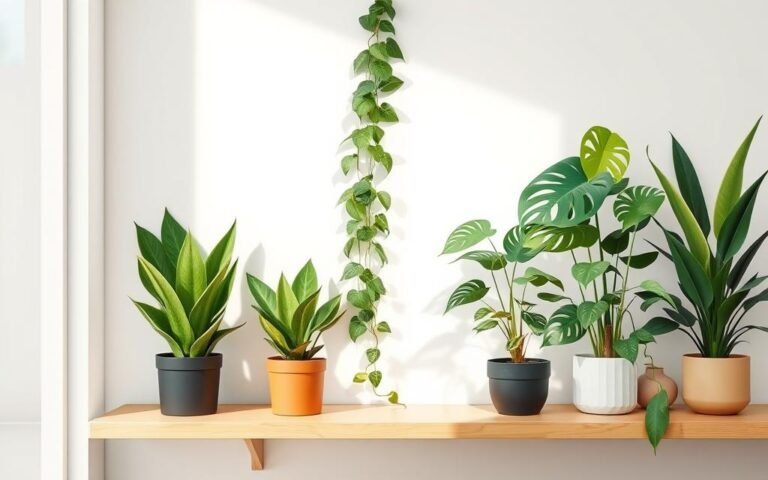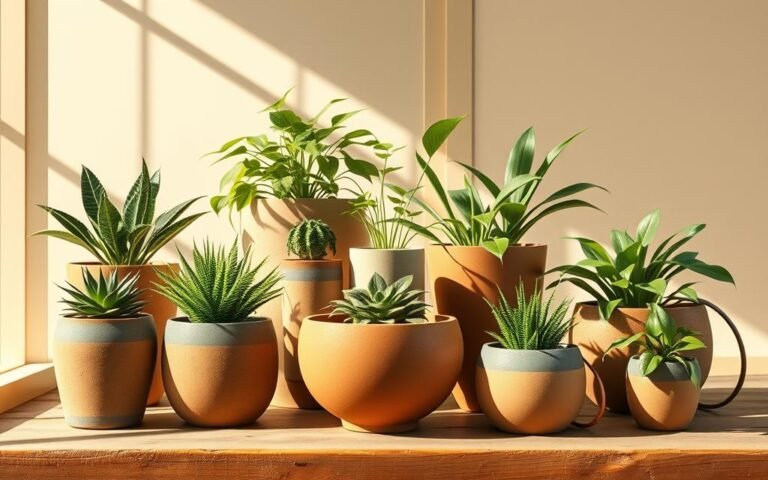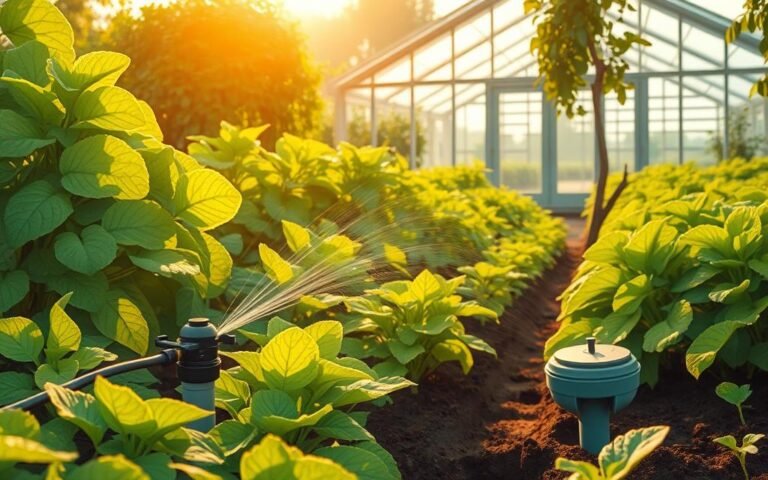
Creating a sustainable garden in Australia’s harsh climate is tough. But, using drought-tolerant plants makes it easier. It also boosts biodiversity.
Gardening in Australia means picking plants that can handle extreme weather. Climate-resilient plants are perfect for this. They help gardeners make beautiful, green spaces.
Choosing the right plants cuts down on environmental harm. It also makes gardens flourish. This article will look at the good stuff about sustainable gardening with climate-smart plants.
Key Takeaways
- Climate-resilient plants reduce garden maintenance.
- Drought-tolerant plants enhance biodiversity.
- Sustainable gardening practices minimise environmental impact.
- Choosing the right plants is crucial for a thriving garden.
- Climate-smart plants are ideal for harsh Australian conditions.
Understanding Australia’s Harsh Climate Challenges
Australia’s climate is varied and often harsh. It has different climates across its vast land. These range from tropical to arid and temperate zones.
Regional Climate Variations Across Australia
Australia’s climate changes a lot in different areas. The north has a tropical climate with lots of rain and humidity. The south has a cooler temperate climate with cold winters.
The desert in the middle is very dry, making it hard for plants to grow.
Climate-resilient plants are made to grow well in these conditions. They are perfect for gardens in Australia.
Common Environmental Stressors for Plants
Plants in Australia face many challenges. Drought, high temperatures, and poor soil are big problems. Drought is especially tough in dry areas where water is scarce.
High temperatures can also stress plants out. And poor soil limits the nutrients plants need.
Native Australian plants have learned to deal with these issues. They are resilient and sustainable choices for gardens. Knowing these challenges helps pick the best plants for a healthy garden.
Benefits of Australian Climate-Smart Plants
Climate-smart plants are changing gardening in Australia. They offer many benefits for gardeners and the planet. These plants are made for Australia’s tough climate, making gardening more sustainable.
Water Conservation and Sustainability
One big plus of climate-smart plants is they save water. They grow well in dry weather, so you don’t need to water them often. This helps gardeners use less water and care for the environment.
Reduced Maintenance Requirements
These plants also need less care. They fight off pests and diseases and grow in bad soil. This means you can have a lovely garden without spending a lot of time on it.
Supporting Local Biodiversity
Using climate-smart plants in your garden helps local wildlife. They give homes and food to birds and insects. This makes your garden and the wider area healthier.
Drought-Tolerant Australian Native Plants
Native Australian plants are great for gardens with little water. They not only survive but also grow well with less water. This makes them a good choice for those who care about water.
Water-Efficient Trees and Shrubs
Native Australian trees and shrubs are very tough. Species like Eucalyptus and Acacia use water wisely and grow well in dry places. They also add beauty and shade to gardens.
Some top water-saving trees are:
- Eucalyptus camaldulensis – River Red Gum, great for many soil types.
- Acacia melanoxylon – Blackwood Acacia, known for its strong growth and pretty leaves.
Native Grasses and Ground Covers
Native grasses and ground covers need little care and water. They’re ideal for saving water. Plants like Kangaroo Grass and Creeping Boobialla spread fast, fight weeds, and keep soil in place.
| Plant | Water Needs | Growth Habit |
|---|---|---|
| Kangaroo Grass | Low | Tussock-forming |
| Creeping Boobialla | Low to Moderate | Spreading |
Australian Succulents and Cacti
Australian succulents and cacti are made for dry places. They store water in their leaves and stems. These plants are very strong and come in many shapes, sizes, and colors. They’re great for hot, dry spots and need water only sometimes.
Some favourite succulents are:
- Pigface – Known for its bright flowers and love for coastal air.
- Aloe Vera – A useful succulent with healing properties and low water needs.
Heat and Soil-Resistant Australian Climate-Smart Plants
Plants native to Australia are great for gardening in tough spots. They handle Australia’s hot weather and poor soil well.
Plants for Poor and Sandy Soils
Many Australian plants grow well in bad soil and don’t need much water or food. Succulents like Carpobrotus and other ground covers are perfect because they need little care.
Other good plants for bad soil are:
- Grevillea species, known for their beautiful flowers and adaptability to poor soil.
- Callistemon, or bottlebrush, which thrives in sandy conditions.
Sun-Loving Flowering Species
For gardens in full sun, there are many Australian native flowers that love the sun. Stunning flowering plants like Gazania make gardens bright.
| Plant | Characteristics | Maintenance |
|---|---|---|
| Gazania | Vibrant flowers, drought-tolerant | Low |
| Helichrysum | Everlasting flowers, well-drained soil | Moderate |
| Rhodanthe | Papery flowers, full sun | Low |
Salt-Tolerant Coastal Options
For gardens near the sea, plants that can handle salt are key. Australian natives like Atriplex and Myoporum are great for coastal areas. They can deal with salt spray and sandy soil.
These plants make coastal gardens look good and help them last longer.
Designing Your Garden with Climate-Resilient Species
To make a garden that lasts, pick plants that fit Australia’s weather. This way, your garden will not only survive tough weather but also help local wildlife.
Creating Water-Wise Landscape Layouts
A garden that saves water is key in Australia’s dry weather. Choose plants that don’t need much water and group them wisely. This cuts down on water waste.
Using mulch and smart irrigation systems also helps. These steps can make your garden look great without using too much water.
Companion Planting Strategies
Companion planting makes your garden stronger. It pairs plants that help each other grow and fight pests. For example, marigolds keep nematodes away from tomatoes.
| Companion Plant | Benefit |
|---|---|
| Marigold | Repels nematodes |
| Basil | Improves flavor and repels pests |
| Nasturtium | Repels aphids and whiteflies |
Seasonal Planning for Year-Round Appeal
Seasonal planning keeps your garden looking good all year. Choose plants that add interest in each season. For tips on gardening for climate change, check out ANPSA’s guide on designing for climate.
- Spring: Incorporate flowering bulbs and shrubs
- Summer: Use vibrant annuals and perennials
- Autumn: Feature plants with colorful foliage
- Winter: Include plants with interesting textures and berries
Conclusion: Embracing Australia’s Natural Resilience in Your Garden
Adding Australian climate smart plants to your garden makes it beautiful and sustainable. These plants help your garden survive Australia’s tough weather. They save water, cut down on upkeep, and help local wildlife.
A garden with native plants like Coastal Rosemary and Kangaroo Paw can save you money on water and upkeep. For tips on a low-maintenance native garden, check out Nursery Near Me.
Choosing climate-resilient plants for your garden is a smart move for the future. It helps your garden not just survive but flourish in tough weather.