Plants don’t always need garden soil to thrive. They require a steady medium to anchor roots and steady access to water, nutrients and light.
Soilless blends can be lighter, cleaner and easier to handle than heavy soil in pots. They help you control drainage and moisture, cut messy spills and suit small balconies or indoor shelves.
This guide explains what replacing peat-based mixes looks like for Aussie homes. You’ll learn how to choose, blend and care for peat-free and soilless media for common indoor and balcony plants.
We’ll cover coconut coir, LECA, perlite and pumice, plus rice hulls, charcoal, compost and fertiliser. Each option helps roots, reduces weight and suits our hot summers and dry indoor air-con conditions.
Follow the step-by-step sections to move from why to buy peat-free products, through exact recipes and into long-term care and troubleshooting for healthy plants year-round.
Key Takeaways
- Soilless media gives better control of drainage and moisture for potted plants.
- Peat-free options like coir and LECA are lighter and cleaner for indoor use.
- Choose a blend that matches your climate — Aussie summers dry mixes faster.
- Simple recipes let you mix components for specific plants and pots.
- Good care and correct ratios reduce watering stress and root issues.
Why go peat-free with potting mixes in Australia right now
Peat’s water-holding and light texture made it a go-to ingredient in mass-produced potting mixes. Nursery growers rely on it because it keeps young roots moist and creates air pockets that help fine roots grow.
Historically, peat became popular because it is lightweight to transport and easy to blend with other components. Over recent decades it became standard practice across the industry for convenience and cost.
Why peat bog harvesting matters
Peat bogs are rich wetlands and major carbon stores. Removing peat releases CO₂ and damages wildlife habitat.
Peat forms at about 1 millimetre per year, so it is effectively non‑renewable on human timescales. That makes ongoing harvesting a serious climate and biodiversity issue.
How to spot peat on labels
Label checklist: scan ingredient panels for the words “peat”, “peat moss” or “sphagnum moss”. If a bag only shows vague claims, favour products that state “peat-free” or ask staff for clarification.
- Look for clear ingredient lists on the back panel.
- If unsure, ask the retailer to confirm what the product contains.
- When shopping for small-space composting or household choices, see guidance like this how-to compost in small apartments for related low-impact steps.
Soilless growing media basics: what plants actually need from a mix
Good container mixes give roots three basic things: space, oxygen and steady moisture.
Define the medium: A soilless growing medium is a blend of non-soil materials that supports roots and manages water and nutrients in containers. It replaces heavy garden soil with lighter, cleaner material that resists compaction.
Drainage, aeration and moisture retention explained for healthy roots
Drainage means excess water can leave the pot so roots do not drown. Aeration lets air reach roots through larger particles and pockets. Moisture retention keeps water available without waterlogging or constant watering.
Many ingredients, such as coir or pumice, give a balance of air and water. That balance helps roots breathe and grow strong.
Why soilless mixes are lighter, cleaner and more customisable
Garden soil compacts in pots and holds too much water indoors. Soilless media stay loose, weight less and clean up easily—great for apartment growers and renters.
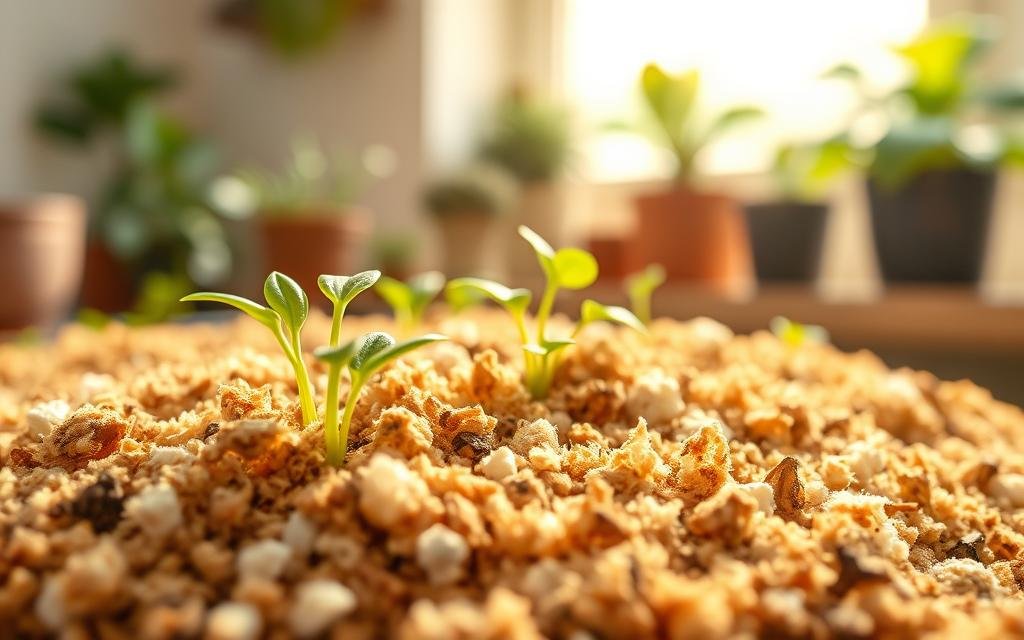
When a sterile medium reduces pests and disease
Sterile, inert material lowers the chance of bringing in soil-borne pests. Use sterile mixes for seed starting, cuttings or if fungus gnats keep coming back.
| Feature | Garden soil | Soilless medium | When to use |
|---|---|---|---|
| Weight | Heavy | Light | Balconies, indoor pots |
| Aeration | Low (compacts) | High (air pockets) | Root health, repotting |
| Sterility | Variable | Often sterile | Seedlings, propagation |
| Nutrient content | Often richer | Inert — needs feeding | Plan compost or fertiliser |
For guidance on organic blends and nutrient plans, see this organic potting mixes resource.
sustainable potting mix alternatives you can use instead of peat
Choosing the right ingredients lets you tailor a peat-free blend to your home climate and plants.
Coco coir: peat moss substitute
Coco coir behaves like peat for moisture and texture. It holds water well but can contain salts, so rinse or flush bricks before use.
Check pH and pick horticultural-grade bricks from reputable garden centres or hydro shops used by local growers.
Clay pellets (LECA)
LECA gives strong aeration and internal moisture holding. Rinse and soak before planting.
It’s low-mess, reusable and can cut root-rot risk when used in semi-hydro setups.
Perlite vs vermiculite
Choose perlite when drainage and airflow matter. Pick vermiculite when you need even moisture for thirstier plants.
Pumice, rice hulls & charcoal
Pumice is durable and adds lasting drainage. Rice hulls are lightweight and renewable. Activated charcoal helps adsorb impurities in closed indoor pots.
Compost and fertiliser
Use fully finished compost for gentle feed, or a controlled fertiliser for steady nutrients in an otherwise inert medium.
For more options and buying tips see peat alternatives guide.
How to make an eco-friendly potting mix at home
A reliable home blend gives you control over drainage, moisture and root health. Use easy parts so you can scale the recipe for any pot or garden container.
Base recipe for most houseplants
Recipe (by parts): 1 part coco coir, 1 part perlite, 1 part finished compost or screened compost.
This coir-based mix balances moisture retention, aeration and steady growth for indoor plants. Add a controlled fertiliser if your medium will stay mostly inert.
Tweaks for hot, dry Australian conditions
For hot balconies or air‑conditioned rooms, boost coir by 0.25–0.5 parts to hold extra water. In humid homes, increase perlite for better aeration.
Drainage and stabilising heavy pots
For top-heavy plants or outdoor containers, add up to 20% coarse sand to the blend. Sand increases density and improves drainage, making the pot feel firmer.
pH and nutrient notes
If a coir/compost blend runs acidic, add limestone sparingly—calcitic for quick change, dolomitic for slower buffering. Recheck pH before adding more.
“Pre-wet dry ingredients lightly, mix thoroughly in a tub, and aim for even texture so water distributes consistently.”
| Issue | Adjustment | Effect |
|---|---|---|
| Dries too fast (hot balcony) | Increase coir by 25–50% | More moisture retention |
| Stays too wet (poor drainage) | Increase perlite or add 20% sand | Improved aeration and drainage |
| Soil pH too low | Add small amounts of limestone and retest | Raises pH safely |
- Quick tips: pre-wet coir, mix in a tub, scale parts for pot size.
- Use finished compost for nutrients; add fertiliser for steady feeding.
How to prepare and pot plants with these alternatives (step-by-step)
A clear workflow makes repotting with new media simple and less stressful for roots. Start by preparing your chosen product, then check the pot and plant before combining them.
- Prep the workspace: lay down paper, have a tub for mixing, and grab gloves.
- Prepare the pot: check drainage holes and add a layer of coarse material if needed.
- Inspect roots: trim dead roots, tease compacted ones and set the crown height.
- Pot up: place roots, work the medium around them gently and avoid compressing air pockets.
- Water in: water lightly so the medium settles, then allow surface to dry a little before the next water.
Hydrating and fluffing coco bricks
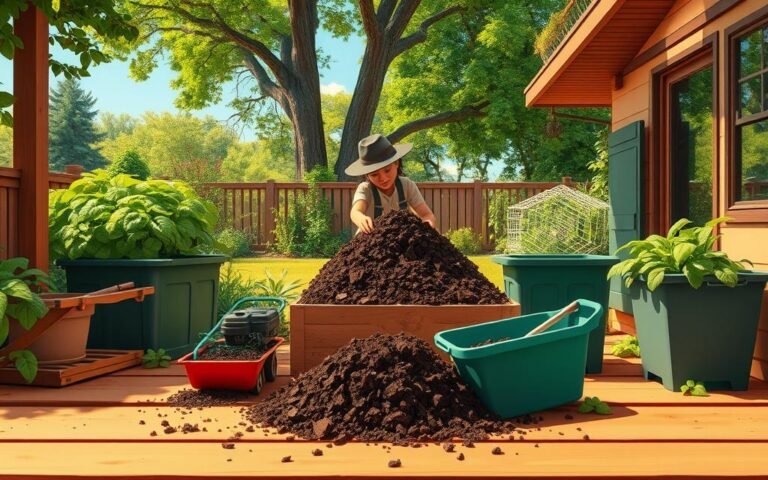
Break the brick into chunks and add water gradually until it expands. Let it sit, then break apart with your hands or a fork.
Rinse if salty: flush with clean water until runoff runs clearer to protect sensitive roots in small pots.
Rinsing and soaking LECA
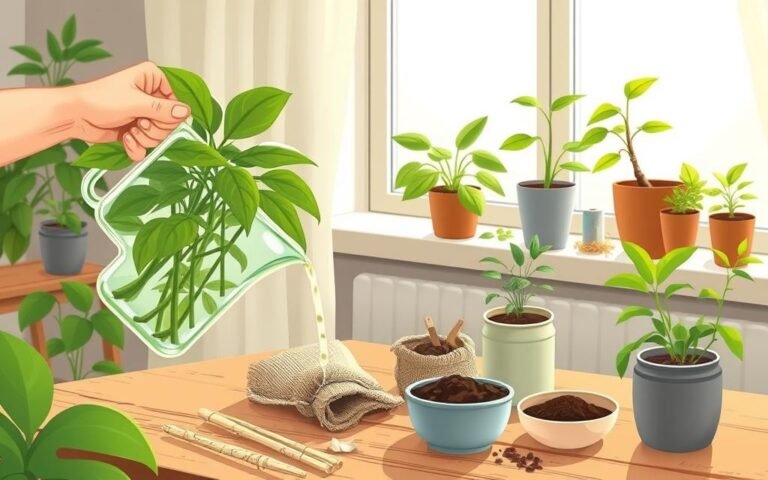
Rinse pellets to remove dust. Soak for 4–8 hours so pellets absorb water internally.
Drain well before use. Excess water can cause stagnant pockets that harm roots.
Blending perlite without crushing it
Dampen perlite slightly to cut dust. Fold it into the other components rather than crushing granules.
This preserves air pockets and steady drainage for plant health.
“Take your time at the pot-up stage — gentle handling keeps pore space intact and helps plants settle faster.”
| Step | Action | Why it matters |
|---|---|---|
| Prepare medium | Hydrate coir, rinse LECA, dampen perlite | Ensures even texture and removes dust or salts |
| Position roots | Keep crown level, avoid burying stem | Prevents rot and supports stable growth |
| Initial watering | Water lightly to settle mix | Avoid compaction and overwatering in the first week |
Aftercare (first week): water lightly but regularly, watch leaves for wilting or yellowing, and delay heavy feeding until the plant has settled.
Keeping plants thriving in peat-free and soilless potting mixes
Healthy container plants respond quickly when you read the pot, not a watering schedule. Check the top layer, lift the pot to feel weight and watch leaf posture before you water. These cues stop soggy roots and cut rot risk.
Watering cues to prevent soggy roots and reduce root rot risk
Let the surface feel just dry and then water thoroughly so excess can escape through drainage holes. Even airy media fail if watering is too frequent or pots lack holes.
Nutrient management: compost vs controlled fertiliser for steady growth
Use finished compost for baseline fertility, but plan routine feeding. Slow‑release gives steady growth while liquid feeds let you correct deficiencies fast. Flush occasionally to remove salts if using coir or regular fertiliser.
Preventing fungus gnats with drying cycles, top-dressing and biological controls
Let the surface dry between waterings and add a thin top‑dressing of horticultural sand to deter adults. For persistent infestations consider beneficial nematodes or predatory mites.
Maintenance over time: settling, compaction and when to refresh your medium
Over years organic bits break down and perlite can migrate up. Top up every 12–24 months for fast growers; fully refresh the medium for rootbound plants or salty build‑up. For extra household green tips see how to live sustainably at home.
“Read the pot: weight, surface dryness and leaf tone tell you more than a calendar.”
| Issue | Action | Effect |
|---|---|---|
| Salt burn | Flush with clean water | Reduces tip scorch |
| Gnat adults | Top-dress sand + dry cycles | Lower egg-laying |
| Settled medium | Top up or refresh | Restore aeration |
Conclusion
A gradual approach wins: try one new product at a time and watch how it changes moisture and growth over a week.
Going peat-free reduces demand on carbon-rich bogs, where harvesting damages wildlife and releases stored carbon. That one swap makes a real difference in local gardening choices.
Start with a simple coir-plus-aerator base, then add compost or perlite, vermiculite or LECA to suit each pot and plant. Tweak ratios for heat, shade or indoor conditions.
Keep it simple: check weight and surface dryness before you water, feed lightly and refresh the medium when structure breaks down. Small steps and steady maintenance give reliable, long-term results.