Reusing plastic plant containers can greatly help reduce waste in your garden. The problem of plastic waste is getting worse. So, finding ways to manage it is key.
By reusing containers, you’re helping the environment. This also saves resources and cuts down on waste.
Old containers can get a new lease on life. This makes your garden more sustainable. It also encourages you to think creatively and find new uses for things.
Key Takeaways
- Reduce plastic waste by reusing containers
- Explore creative ways to repurpose old containers
- Contribute to sustainable gardening practices
- Minimise the need for new materials
- Cut down on waste in your garden
The Environmental Impact of Plastic Plant Containers
Gardening in Australia often uses plastic containers. But have you thought about their environmental impact? It’s key to look at how plastic plant containers affect our gardens.
The Scale of Plastic Waste in Australian Gardens
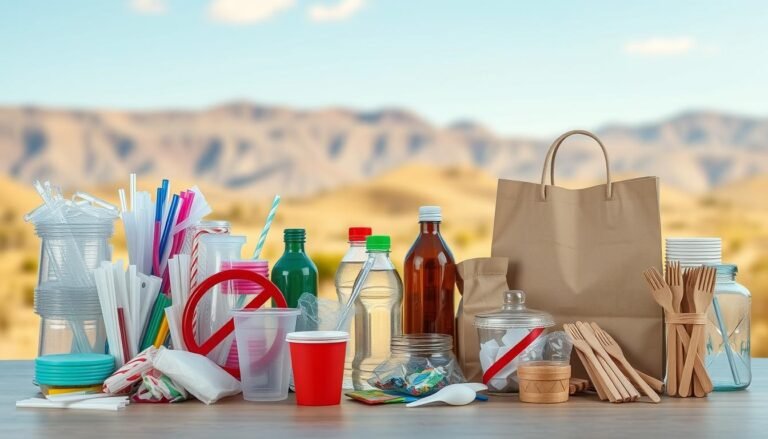
Australian gardens produce a lot of plastic waste. Many plastic containers end up in landfills or as litter. The scale of this problem is substantial. We must tackle it to lessen our environmental footprint.
Why Reusing is Better Than Recycling
Reusing plastic containers is better than recycling. Recycling cuts down waste, but reusing saves energy and resources. Remember, “Reduce, Reuse, Recycle” – and reusing first is best.
“The earth has enough resources for our need, but not enough to satisfy our greed.”
By reusing plastic containers, we cut down waste and save resources.
Common Sources of Plastic Containers in Australia
In Australia, plastic containers come from PET bottles, nursery pots, and gardening packaging. Using these for gardening projects is sustainable. It also cuts down landfill waste.
Understanding Different Types of Plastic Plant Containers
Before you reuse a plastic container, it’s key to know its type. Different plastics have unique properties. Some are safer for gardening than others.
Common Plastic Types Used in Gardening
In Australian gardens, you’ll find containers made from polypropylene (PP), polyethylene (PE), and PETE (Polyethylene Terephthalate). These plastics are usually safe for reuse.
Which Plastics Are Safe to Reuse
Plastics with recycling codes #2, #4, and #5 are safe for gardening. They are HDPE, LDPE, and PP respectively.
Identifying Harmful Plastics to Avoid
Some plastics have harmful chemicals like BPA (Bisphenol A) and phthalates. These are often in softer plastics or certain PVC.
BPA and Phthalate Concerns
BPA can leach into soil and harm plants. Phthalates can also disrupt the ecosystem. It’s wise to avoid using containers with these chemicals.
Knowing the types of plastics in your containers helps you make safe choices for your garden.
Properly Cleaning and Sanitising Containers for Reuse
Cleaning and sanitising your plastic plant containers is easy and keeps your garden healthy. It’s important to remove dirt, debris, and diseases before reusing.
Step-by-Step Cleaning Process
To clean your containers, start by removing any soil or plant material. Here’s how:
- Scrape out large debris
- Rinse with warm water
- Use a mild detergent and scrub brush to clean the container
- Rinse thoroughly with clean water
Natural Sanitising Solutions for Australian Gardeners
You don’t need harsh chemicals for sanitising. Vinegar or hydrogen peroxide works well. Mix 1 part vinegar with 10 parts water or use 3% hydrogen peroxide. Soak for 10-15 minutes, then rinse well.
Dealing with Stubborn Dirt and Root Residue
For tough dirt or root residue, use a stronger brush or soaking solution. Try a baking soda and water paste to loosen grime.
Preventing Plant Disease Transmission
To stop disease spread, sanitise your containers between uses. Follow the sanitising steps to lower disease risk to your new plants.
Creative Ways to Reuse Plastic Plant Containers
Ready to give new life to your old plastic plant containers? These ideas will show you how. Reusing plastic containers cuts down on waste and opens up creative possibilities for your garden and more.
Seed Starting and Propagation
Plastic containers are great for seed starting and propagation. Fill it with seed starting mix, plant your seeds, and put it in a sunny spot. When seedlings are big enough, move them to your garden.
Creating a Water-Wise Container Garden
Make a water-wise container garden with plastic containers. Pick plants that don’t need much water and add mulch to save water. This is good for the Australian climate, where saving water is key.
Adapting Containers for Australian Climate Conditions
The Australian climate can be tough, but you can make your containers work. Add drainage holes to stop water from pooling. Also, use UV-resistant paint to keep the plastic from breaking down.
Non-Gardening Uses Around the Home
Plastic containers aren’t just for gardening. They’re great for storage solutions around the home. Use them for craft supplies, office stuff, or even a DIY pet bed. The ideas are endless!
How to Reuse Plastic Plant Containers for DIY Projects
Make something new from old plastic plant containers. Turn them into fun DIY projects for the whole family. These projects can make your garden and home more personal.
Upcycling Ideas for Different Container Sizes
Smaller containers are great for mini-greenhouses for seedlings. Larger ones can become planter boxes or garden storage units.
Kid-Friendly Craft Projects
Get your kids involved in fun DIY projects. You can make mini-gardens or painted planters from plastic containers. These activities boost creativity and teach about sustainability.
Garden Organisation Solutions for Small Spaces
If you have little garden space, use plastic containers for storage. Store gardening tools, seeds, or fertilizers in them. This keeps your garden tidy and organised.
Proper Storage of Plastic Containers Between Uses
Storing plastic containers right is important for gardening. They should be kept safe and ready for next use.
Preventing UV Degradation in the Australian Sun
The Australian sun can damage plastic containers. Store them in the shade or use UV-resistant covers. This helps them last longer.
Space-Saving Storage Solutions
For those with little space, smart storage is essential. Try nesting smaller containers in bigger ones. Or use wall racks to keep them tidy.
Labelling Systems for Organised Reuse
Use labels on your containers to keep track of them. Note what’s inside, when you last used it, and more. This makes reuse easier.
| Storage Tip | Benefit |
|---|---|
| Store in shaded areas | Prevents UV degradation |
| Nest containers | Saves storage space |
| Use labelling systems | Enhances organisation and reuse efficiency |
When to Recycle Instead of Reuse
It’s important to know when to recycle your plastic plant containers. Reusing them is good for the environment. But sometimes, recycling is better.
Signs a Container Should Be Recycled
If your plastic container is cracked, faded, or brittle, it’s time to recycle. Containers with plant diseases or pests should also be recycled. This stops the spread of problems to other plants.
Proper Recycling Practices in Australia
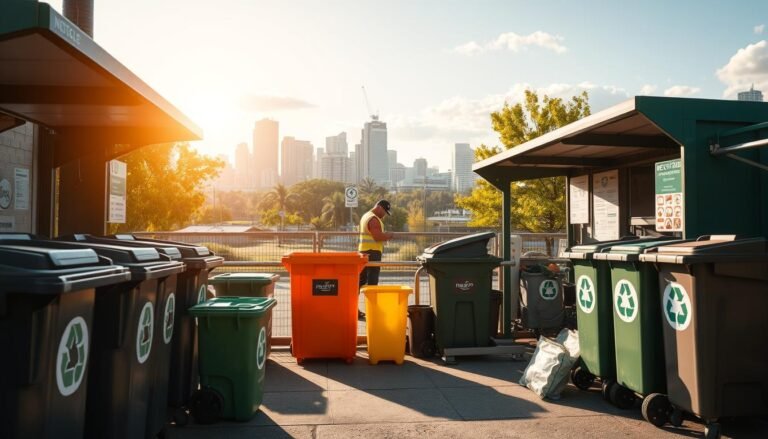
Australia has different ways to recycle plastic containers. Check with your local council to see if they recycle garden plastics. Some councils have special places for dropping off these plastics.
Local Council Drop-Off Options for Garden Plastics
Many councils in Australia have places for dropping off garden plastics. This includes plastic plant containers. These programs make sure plastics are recycled right and don’t end up in landfills.
Australian Nurseries with Container Return Programs
Some nurseries in Australia let you return used plastic containers for recycling. This helps reduce waste and promotes sustainability in gardening.
By recycling your plastic plant containers and joining local programs, you help the environment. You also reduce plastic waste in Australia.
Conclusion: Towards a More Sustainable Gardening Practice
Reusing plastic plant containers is a simple way to help the environment. It’s a key part of sustainable gardening. By doing this, you can cut down on plastic waste and make the world a healthier place.
Plastic waste in landfills is a big problem. Up to 98 percent of plastic pots end up there. But, you can help by reusing and recycling. As a gardener, you can make a big difference. Clean and sanitize containers well, find new uses for them, and store them right. This way, you can lessen your impact on the environment.
Choosing sustainable gardening practices is good for the planet and for you. As you garden, think about how your choices affect the environment. Make eco-friendly choices to help create a greener future for Australian gardens.