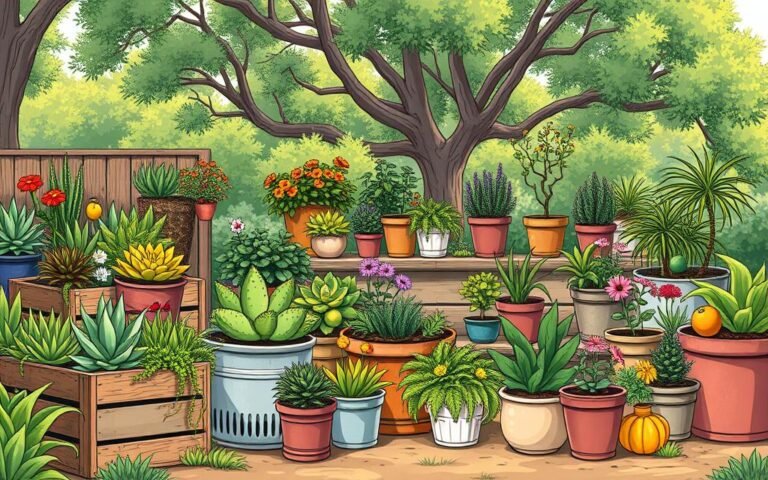
You can breathe new life into old items by making them into upcycled planters. By using materials like tin cans, wine bottles, and wooden crates, you’re helping the planet. Plus, you get to add something special to your garden.
Sustainable gardening means being creative and caring for the earth. With reclaimed materials, you can make plant holders that are truly yours. They’ll make your outdoor or indoor space even more special.
Key Takeaways
- Transform old items into functional plant holders
- Reduce waste and promote sustainable gardening practices
- Create unique, eco-friendly decor for your home or garden
- Explore your creativity with various reclaimed materials
- Make a positive impact on the environment through upcycling
The Benefits of Creating Your Own Plant Holders
Creating your own plant holders adds a personal touch to your garden. It also helps the environment. You give old materials a new life, reducing waste and supporting green gardening.
Environmental Impact of Upcycling in Australia
Upcycling in Australia is very good for the planet. It saves natural resources by using what’s already made. This also cuts down on waste and pollution.
Some big benefits are:
- Less waste in landfills
- More natural resources saved
- Less pollution from making new stuff
Cost-Effectiveness of Reclaimed Materials
Using old materials for plant holders is good for the planet and your wallet. You can find things like old pallets and tin cans for free or cheap. This saves money on buying new planters.
Some cheap options are:
- Old wooden pallets
- Tin cans and containers
- Repurposed wooden crates
Essential Materials and Tools for Your Projects
To start your DIY recycled plant holder journey, you’ll need a few things. Many items you need can be found at home or in local thrift stores. This makes upcycling fun and easy.
Common Household Items to Repurpose
Many household items can be turned into plant holders. Old boots, gutters, and wooden crates are great examples. Here are some ideas:
- Old tin cans or containers for a rustic look
- Wine bottles or corks to add a touch of elegance
- Teacups or teapots for a charming, vintage feel
Basic Tools You’ll Need
While materials vary, some basic tools are always needed. You’ll need a drill for holes, a hammer for tapping, and sealant to protect from the weather.
With these tools and materials, you’re ready to make beautiful DIY plant holders.
Preparing Your Reclaimed Materials
Before you start making your DIY plant holders, you need to get your materials ready. This makes sure your project looks good and is safe for your plants.
Cleaning and Sanitising Techniques
Cleaning your materials is key to get rid of dirt and germs. A simple wash with soap and water works for most things. But, old wood might need a mix of vinegar and water to clean it well. Always wear gloves when handling potentially dirty or contaminated materials.
Safety Considerations When Working with Reclaimed Items
When using old items, safety comes first. Some might have harmful stuff like lead paint or rust. Always inspect your materials carefully before starting your project. Check old wood for rot and metal for sharp edges or rust. This way, your DIY project will be fun and safe.
| Material | Cleaning Method | Safety Precaution |
|---|---|---|
| Wood | Vinegar and water mixture | Check for rot and infestation |
| Metal | Soap and water, dry thoroughly | Watch for sharp edges and rust |
| Plastic | Soap and water | Ensure no cracks or breaks |
Popular DIY Recycled Plant Holders for Australian Homes
Turning old items into plant holders is fun and good for the planet. You can make beautiful planters from things you’d otherwise throw away.
Tin Can Planters
Tin can planters add a cool, industrial look to your home. Just clean and dry the cans. Then, add drainage material, soil, and your plants. You can paint or sticker them to fit your style.
Wine Bottle and Cork Planters
Wine bottles are perfect for small plants or herbs. Cut the bottle in half and add drainage material. Fill it with soil and your plants. Use corks to decorate or label your planter.
Teacup and Teapot Gardens
Old teacups and teapots can become cute planters. Add drainage material, soil, and your plants. They’re great for gardens or indoor spaces.
| Planter Type | Materials Needed | Best for |
|---|---|---|
| Tin Can Planters | Tin cans, drainage material, soil, plants | Herbs, succulents |
| Wine Bottle Planters | Wine bottles, drainage material, soil, plants | Small plants, herbs |
| Teacup and Teapot Gardens | Teacups or teapots, drainage material, soil, plants | Succulents, small plants |
Wooden Pallet and Crate Plant Holders
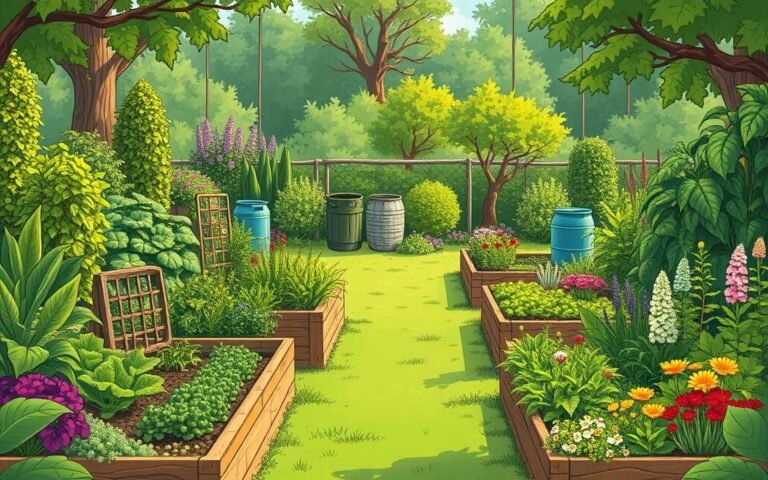
Wooden pallet and crate plant holders are great for small gardens in Australia. They’re made from old pallets and crates. This makes your garden look good and helps the planet.
Vertical Garden Options for Small Spaces
Vertical gardens are perfect for tiny spaces. You can hang wooden pallets on walls or fences. This makes your space look green and interesting.
- Attach wooden pallets to a wall or fence
- Add soil and plants to the pallet’s compartments
- Water and maintain your vertical garden regularly
Horizontal Planter Box Designs for Verandas
Horizontal planter boxes are great for verandas. They give lots of room for plants. You can make them any size or style to match your veranda.
| Planter Box Size | Materials Needed | Plant Suggestions |
|---|---|---|
| Small (1m x 0.2m) | 1 wooden crate, soil, small plants | Herbs, succulents |
| Medium (1.5m x 0.3m) | 1 wooden pallet, soil, medium-sized plants | Flowering plants, ferns |
| Large (2m x 0.4m) | 2 wooden pallets, soil, large plants | Climbing plants, shrubs |
Using old pallets and crates makes beautiful plant holders. They make your outdoor space better and help the environment.
You can make your garden special with plant holders from old stuff. Use tin cans, wine bottles, and wooden pallets. This helps the planet and supports eco-friendly gardening.
Turning these items into plant holders makes your home look great. It’s creative and helps our planet. This way of gardening is good for the earth.
Key Takeaways
- Repurpose old items to create unique plant holders
- Support eco-friendly gardening practices by reducing waste
- Add a personal touch to your garden with creative upcycling
- Contribute to a more sustainable environment
- Create beautiful and functional plant holders using reclaimed materials
The Benefits of Creating Your Own Plant Holders
Upcycling materials to make plant holders is a simple way to help the environment. It’s not just about making something for your garden or home. It’s also about supporting eco-friendly practices.
Environmental Impact of Upcycling in Australia
Upcycling reduces waste and saves natural resources. In Australia, where waste is a big issue, upcycling helps a lot. It gives old items a new life, reducing the need for new materials.
The benefits of upcycling are many:
- Reduces landfill waste
- Conserves natural resources
- Decreases the carbon footprint of making new products
- Encourages living in a sustainable way
Cost-Effectiveness of Reclaimed Materials
Using old materials for plant holders is good for the planet and your wallet. Instead of buying new planters, you can use items you might throw away. This saves money and helps the environment.
| Material | Original Use | Repurposed Use |
|---|---|---|
| Old Tin Cans | Food Storage | Planters for Herbs or Small Plants |
| Wooden Pallets | Shipping Materials | Vertical Garden or Planter Boxes |
| Teacups or Teapots | Tableware | Mini Planters for Indoor Plants |
By doing this, you create unique items for your home or garden. You also help the environment and save money. Making your own plant holders is rewarding and good for the planet and your wallet.
Essential Materials and Tools for Your Projects
To make unique plant holders, gather different household items for repurposing and basic tools. Upcycling means making something new from old or discarded items.
Common Household Items to Repurpose
Start by looking around your home for items to reuse. Some good examples are:
- Old boots that can be used as quirky planters
- Gutters that can be turned into a vertical garden
- Wooden crates that can be converted into horizontal planter boxes
- Tin cans that can be transformed into hanging planters
- Teacups and teapots that can become charming garden decorations
These items are easy to find at home. They help reduce waste and add a personal touch to your garden.
Basic Tools You’ll Need
To work with your reclaimed materials, you’ll need some basic tools. These include:
- A drill for making holes for drainage or hanging
- A hammer for tapping things into place
- A screwdriver for assembling parts
- Gloves to protect your hands while working
- Safety glasses to protect your eyes
Having these basic tools for DIY projects ready will make your work easier and more fun.
Preparing Your Reclaimed Materials
Getting your reclaimed materials ready is key for a safe and successful DIY project. It’s important to clean and sanitise them first.
Cleaning and Sanitising Techniques
Reclaimed materials can have dirt, grime, and harmful bacteria. Start by gently scrubbing with a soft-bristled brush to remove loose debris. Then, mix mild detergent with warm water for a thorough scrub.
Rinse with clean water to get rid of soap. For sanitising, use 1 part bleach to 10 parts water. This kills many bacteria and fungi. Let it sit, then rinse well to remove bleach.
Safety Considerations When Working with Reclaimed Items
When using reclaimed materials, safety comes first. Always wear gloves, safety glasses, and a dust mask. This protects you from sharp edges, splinters, and dust.
Check your materials for damage, rot, or pests before starting. If unsure, it’s safer to skip using it.
| Safety Precaution | Why It’s Important |
|---|---|
| Wearing gloves | Protects your hands from splinters, sharp edges, and chemical exposure. |
| Safety glasses | Prevents eye injury from flying debris or chemical splashes. |
| Dust mask | Reduces the risk of inhaling dust and other airborne contaminants. |
By cleaning, sanitising, and checking your materials, you’ll make safe and beautiful DIY projects. These will last for many years.
Popular DIY Recycled Plant Holders for Australian Homes
Turning your home into an eco-friendly oasis is easy with DIY recycled plant holders. Australian homes are great for showing off creative and green gardening projects. You can make beautiful plant holders from things you might throw away.
Tin Can Planters
One simple DIY project is making planters from tin cans. Here’s how:
- Collect tin cans of different sizes and clean them well.
- Take off any labels and sharp edges.
- Drill holes in the bottom for drainage.
- Put soil and plants in the cans.
- Put the cans on a windowsill or hang them.
Wine Bottle and Cork Planters
Wine bottles and corks can become fancy planters. To make a wine bottle planter:
- Cut the wine bottle in half with a glass cutter.
- Sand the edges to make them smooth.
- Fill the bottle with water and add plants.
- Use corks to decorate the top of the bottle.
Teacup and Teapot Gardens
Old teacups and teapots can become cute planters. Here’s a simple guide:
- Pick teacups or teapots you don’t use anymore.
- Drill holes in the bottom for drainage.
- Fill with soil and plants.
- Put the teacups or teapots on a tiered planter or shelf.
These DIY recycled plant holders bring greenery to your home and help the planet. Get creative and enjoy making something new!
Wooden Pallet and Crate Plant Holders
Wooden pallets and crates are great for making plant holders. You can turn these old materials into beautiful garden features. They add charm to your outdoor area.
Vertical Garden Options for Small Spaces
Vertical gardens are great for small areas. They let you use your space well without losing style. Wooden pallets or crates can make a beautiful vertical garden.
- Attach wooden pallets to a wall or fence to create a unique planter.
- Use crates to create a tiered planter system.
- Incorporate a trellis or other support system for climbing plants.
Horizontal Planter Box Designs for Verandas
Horizontal planter boxes are perfect for verandas. They give plants a lot of room to grow. You can make a beautiful planter box with wooden pallets or crates.
| Planter Box Design | Materials Needed | Benefits |
|---|---|---|
| Simple Pallet Planter | 1 wooden pallet, soil, plants | Easy to create, cost-effective |
| Crate Planter Box | 1 wooden crate, soil, plants | Durable, versatile |
| Tiered Planter System | Multiple crates, soil, plants | Visually appealing, maximizes space |
Adding wooden pallet and crate plant holders to your garden makes it unique. It shows off your personal style.
Choosing the Right Plants for Your DIY Containers
Choosing the right plants for your DIY containers is key. The right plants make your garden thrive. They must fit their environment and your container’s conditions.
Think about the climate, sunlight, and maintenance when picking plants. These factors are crucial for your garden’s success.
Australian Native Plants for Recycled Containers
Australian native plants are great for recycled containers. They match the local climate and soil. Kangaroo Paw, Waratah, and Sturt’s Desert Pea are popular choices.
These plants are low-maintenance and drought-tolerant. They’re perfect for gardeners who are busy.
Indoor vs. Outdoor Plant Considerations
Indoor and outdoor plants have different needs. Indoor plants need less sunlight and cooler temperatures. Outdoor plants need more sunlight and can handle warmer temperatures.
Some plants, like Snake Plants and Pothos, do well indoors and outdoors. They’re versatile.
When choosing plants, consider these factors:
- Climate and weather conditions
- Amount of sunlight and shade
- Soil type and quality
- Maintenance requirements
- Potential pests and diseases
By considering these, you can create a beautiful and sustainable garden. It will add joy and beauty to your home.
Waterproofing and Drainage Solutions
To keep your plants happy in recycled containers, focus on waterproofing and drainage. This keeps your DIY plant holders lasting longer and your plants healthy 🌱.
Natural and Eco-Friendly Sealants
Choosing natural and eco-friendly sealants is smart for waterproofing. They protect your containers and keep your project green. Good choices include:
- Beeswax: A natural wax that keeps water out without harming the planet.
- Linseed oil: A plant oil that makes wood water-resistant.
- Eco-friendly varnishes: Find ones without bad chemicals and made for outdoors.
It’s easy to apply these sealants. Just brush a thin layer of beeswax or linseed oil on your containers. Always follow the instructions for the best results.
Creating Proper Drainage Systems
Good drainage stops waterlogged soil, which can harm your plants. Here’s how to make your containers drain well:
- Drill drainage holes: If your container lacks holes, drilling some helps a lot.
- Add a layer of gravel: Gravel at the bottom lets water drain away from the soil.
- Use a well-draining potting mix: Choose a mix that drains well to avoid waterlogged soil.
With these waterproofing and drainage tips, your DIY plant holders will be eco-friendly and healthy for your plants 🌿.
Conclusion: Sustainable Gardening with Recycled Materials
You’ve now explored DIY recycled plant holders. We’re excited to see your creative projects come to life 🌱. By using sustainable gardening, you’re reducing waste and creating a unique outdoor space.
Using recycled materials for plant holders gives old items a new life. This reduces the need for new materials and waste. It’s a cost-effective and eco-friendly way to garden, following upcycling and eco-friendly practices.
Keep going on your sustainable gardening journey. Choose plants that do well in your area. Think about what your DIY plant holders need. With creativity and a bit of trial and error, you’ll enjoy sustainable gardening soon 🌿.
So, get creative, have fun, and happy gardening! By using DIY recycled plant holders and sustainable gardening, you help our planet. You’re making a difference, one plant at a time 🌸.