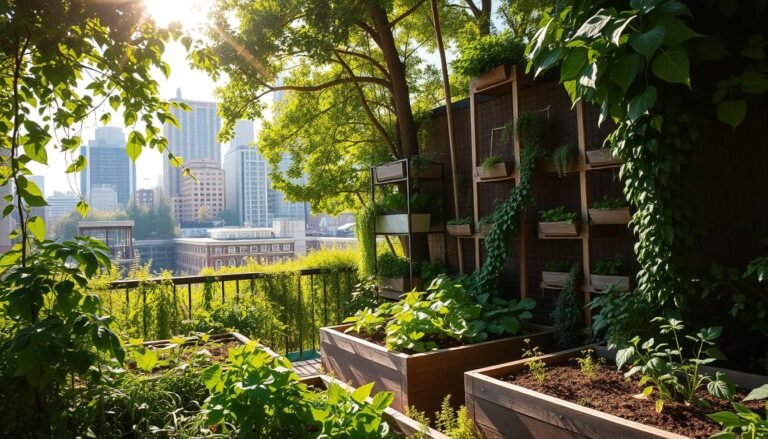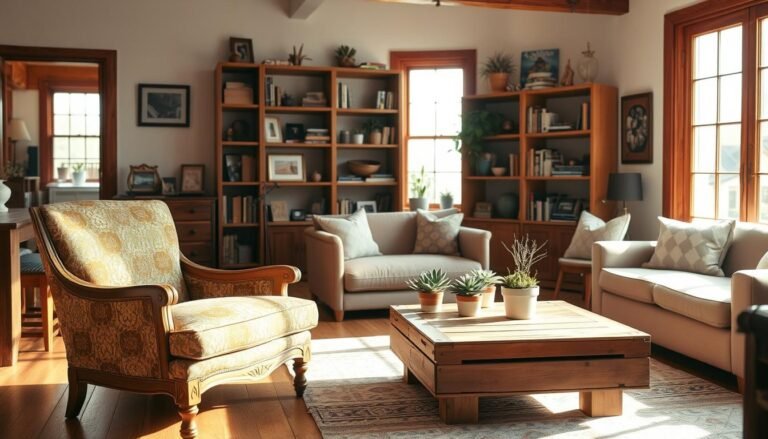
Turning your home into a lush oasis is simple. Indoor plants do more than look good. They clean the air, lower stress, and boost mental health. Adding the right plants to your Australian home makes it healthier and more stunning.
Whether you’re a pro or new to gardening, the right indoor plants are key. This article will show you the must-have plants for Australian homes. Plus, we’ll share tips on how to keep them alive and thriving.
Key Takeaways
- Discover the benefits of indoor plants for Australian homes
- Learn which plants are perfect for improving air quality
- Find out how to care for your indoor plants to keep them thriving
- Explore the best plants for reducing stress and improving mental health
- Get tips on creating a beautiful and healthy living space with indoor plants
The Benefits of Adding Plants to Your Australian Home
Adding plants to your home can make it healthier and nicer. Plants help clean the air and make you feel better.
Air Quality Improvement
Plants clean the air in your home. They remove bad stuff from the air. This makes the air better to breathe.
Some plants are better at cleaning the air than others. For example, the Spider Plant is great at removing bad air stuff like formaldehyde.
Here are some top air-purifying plants:
- Snake Plant – Removes formaldehyde and benzene
- Peace Lily – Removes ammonia and benzene
- Dracaena – Removes trichloroethylene and benzene
Stress Reduction and Mental Health
Plants also help reduce stress and improve mental health. Being around plants can calm you down. It makes you feel better.
“Being surrounded by greenery can boost your mood and reduce stress levels.”
This is really good in today’s busy world. Mental health is very important now.
Temperature and Humidity Regulation
Plants help control the temperature and humidity in your home. They make your home more comfortable. Plants release moisture into the air.
| Plant | Temperature Regulation | Humidity Regulation |
|---|---|---|
| Fern | Moderate | High |
| Bamboo Palm | High | Moderate |
| English Ivy | Moderate | Moderate |
Green Living Plant Essentials for Different Living Spaces
Choosing the right plants for your home is key. Each room has its own needs. The right plants can make your space better.
Statement Plants for Living Areas
For living areas, pick plants like the Fiddle Leaf Fig or Bird of Paradise. They make your space look great and feel welcoming.
Calming Varieties for Bedrooms
In bedrooms, choose plants like the Snake Plant or Peace Lily. They help you sleep better and clean the air.
Practical Herbs for Kitchen Gardens
Kitchens are perfect for herbs like basil or rosemary. They’re great for cooking and make your kitchen smell fresh.
Humidity-Loving Plants for Bathrooms
Bathrooms are great for plants that love moisture, like the Parlor Palm or Orchid. They do well in the humid bathroom air.
| Room | Recommended Plants | Benefits |
|---|---|---|
| Living Areas | Fiddle Leaf Fig, Bird of Paradise | Aesthetic appeal, air quality improvement |
| Bedrooms | Snake Plant, Peace Lily | Promotes better sleep, air purification |
| Kitchens | Basil, Rosemary | Culinary use, fresh fragrance |
| Bathrooms | Parlor Palm, Orchid | Thrives in humidity, aesthetic appeal |
Top Low-Maintenance Plants for Busy Australians
If you’re busy, you might want plants that need little care. Luckily, there are many hardy plants that can brighten your space without much effort.
Native Australian Plants for Indoor Use
Native Australian plants are great for indoors because they love our climate. Here are some top picks:
- Kangaroo Paw: It has unique flowers and does well indoors.
- Native Violet: This small, shade-loving plant is perfect for pots.
Drought-Resistant Varieties
For those who might forget to water, drought-resistant plants are perfect. Here are some favorites:
- Succulents: They store water in their leaves, making them drought-tolerant.
- Cacti: Another easy option for indoor spaces.
Plants That Thrive in Neglect
Some plants can survive with almost no care. Here are a few examples:
Succulents and Cacti
These plants store water, making them great for busy people. They come in many shapes, sizes, and colors, adding beauty to any room.
Snake Plants and ZZ Plants
These plants do well in little light and need water only sometimes. They’re perfect for rooms with not much natural light.
| Plant Type | Watering Needs | Light Requirements |
|---|---|---|
| Succulents | Infrequent | Bright, indirect light |
| Snake Plants | Low | Low to bright, indirect light |
| ZZ Plants | Low | Low to bright, indirect light |
Choosing low-maintenance plants means you can enjoy having plants at home without the stress of constant care.
“The love of gardening is a seed that once sown never dies.”
Air-Purifying Champions for Healthier Homes
Indoor plants are more than just decorations. They are powerful air purifiers that make your home healthier. By adding the right plants, you can improve air quality and live healthier.
Plants That Remove Common Household Toxins
Some plants are great at removing toxins like formaldehyde and benzene. The Peace Lily and Spider Plant are top choices. They clean the air and add greenery to your home.
Best Oxygen-Producing Varieties
Oxygen-producing plants are great for any home. The Snake Plant and Areca Palm produce lots of oxygen. They’re perfect for bedrooms and living areas.
Allergy-Friendly Plant Options
There are many plants good for people with allergies. The Bamboo Palm and Parlor Palm are hypoallergenic. They can help reduce allergy symptoms.
| Plant Type | Toxins Removed | Oxygen Production | Allergy Friendly |
|---|---|---|---|
| Peace Lily | Formaldehyde, Benzene | Moderate | No |
| Spider Plant | Formaldehyde, Xylene | High | Yes |
| Snake Plant | Formaldehyde, Trichloroethylene | High | Yes |
Choosing the right plants can make your home healthier and more enjoyable. Whether you want to remove toxins, increase oxygen, or find allergy-friendly plants, there’s a perfect one for you.
Essential Care Tips for Thriving Indoor Plants
Follow simple care tips to enjoy healthy indoor plants all year. It’s key to know what each plant needs.
Watering Guidelines for Australian Climate Zones
Watering indoor plants right is crucial in Australia’s varied climates. Check soil moisture by feeling it with your finger. If it’s dry, it’s time to water. For more tips, check Houseplant Care 101.
Light Requirements and Optimal Placement
Plants need different amounts of light. Put bright light lovers like succulents near south windows. Low light plants, like Chinese Evergreen, go in darker spots. Choosing the right spot is crucial for your plants.
Fertilising and Repotting Schedules
Fertilise plants in spring and summer for growth. Use a balanced, water-soluble fertiliser. Repot every 1-3 years to refresh soil and give more room.
Natural Pest Management Solutions
Watch for pests like spider mites and mealybugs. Use natural pest control like neem oil. Regular checks help catch problems early.
Follow these tips to become an indoor plant expert. Enjoy the benefits of thriving plants in your home.
Conclusion: Building Your Green Sanctuary
Adding the right plants and care to your home makes it a green sanctuary. It not only looks good but also makes you feel better. You’ve learned how to pick the best plants for each part of your home.
This knowledge helps you create a lively indoor garden. It improves the air and reduces stress. You’re ready to make your home greener and healthier.
Living green is a journey, and every step helps. As you care for your sanctuary, you’ll see your home become more balanced. Start today and see how it changes your life for the better.